Artista Plástica·Escultora·Ceramista
Artista Plástica·Escultora·Ceramista
.JPG)
.JPG)
Sobre míAbout
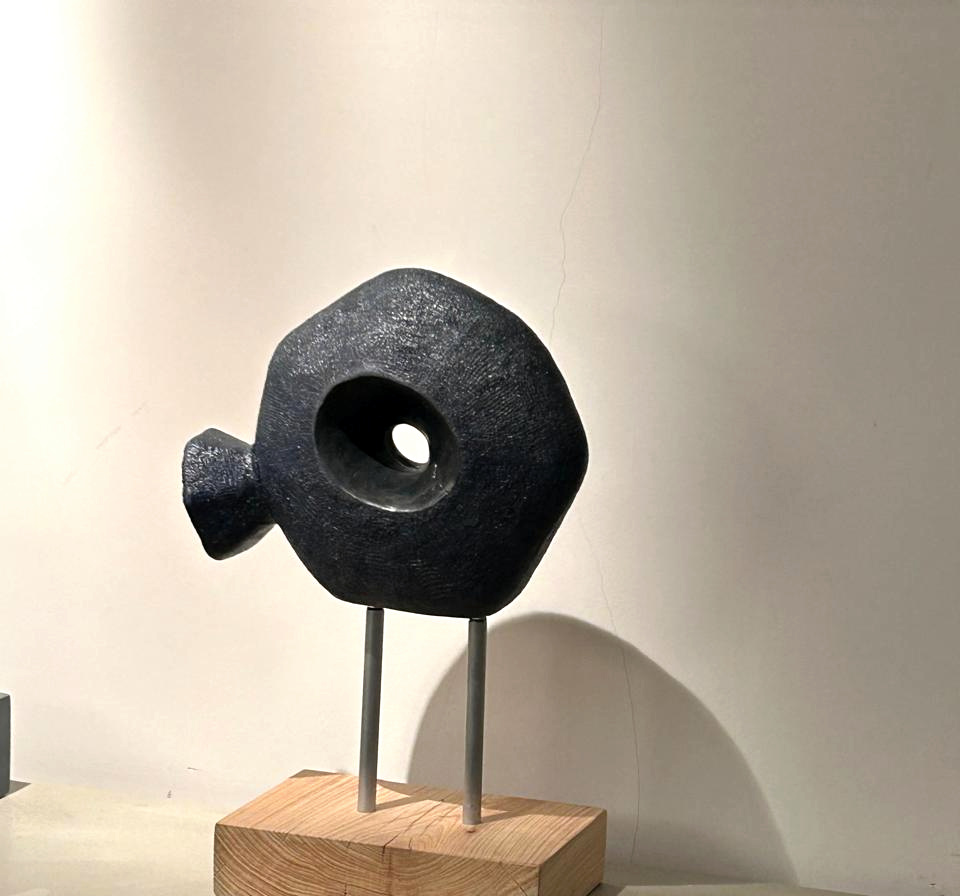
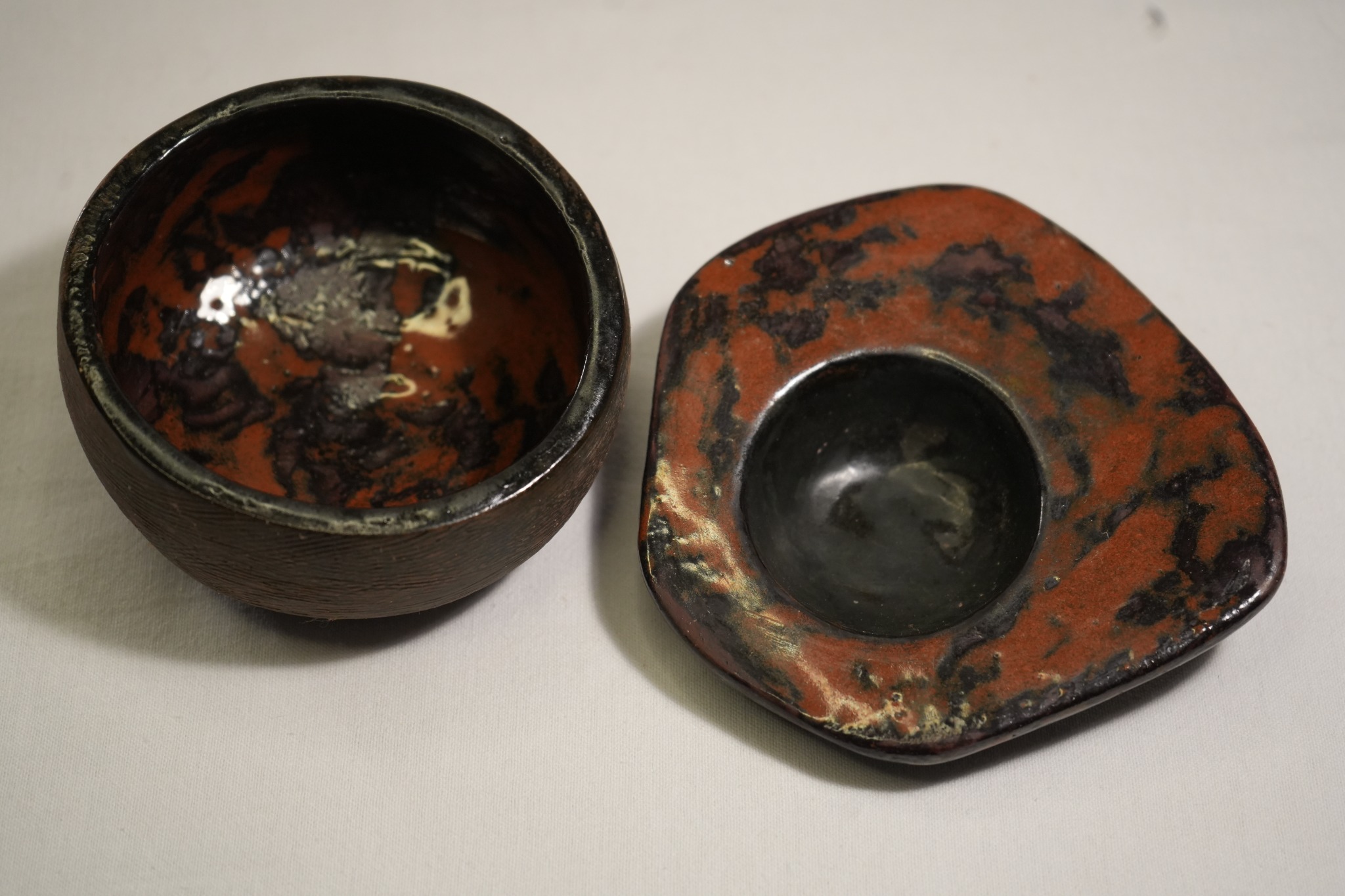
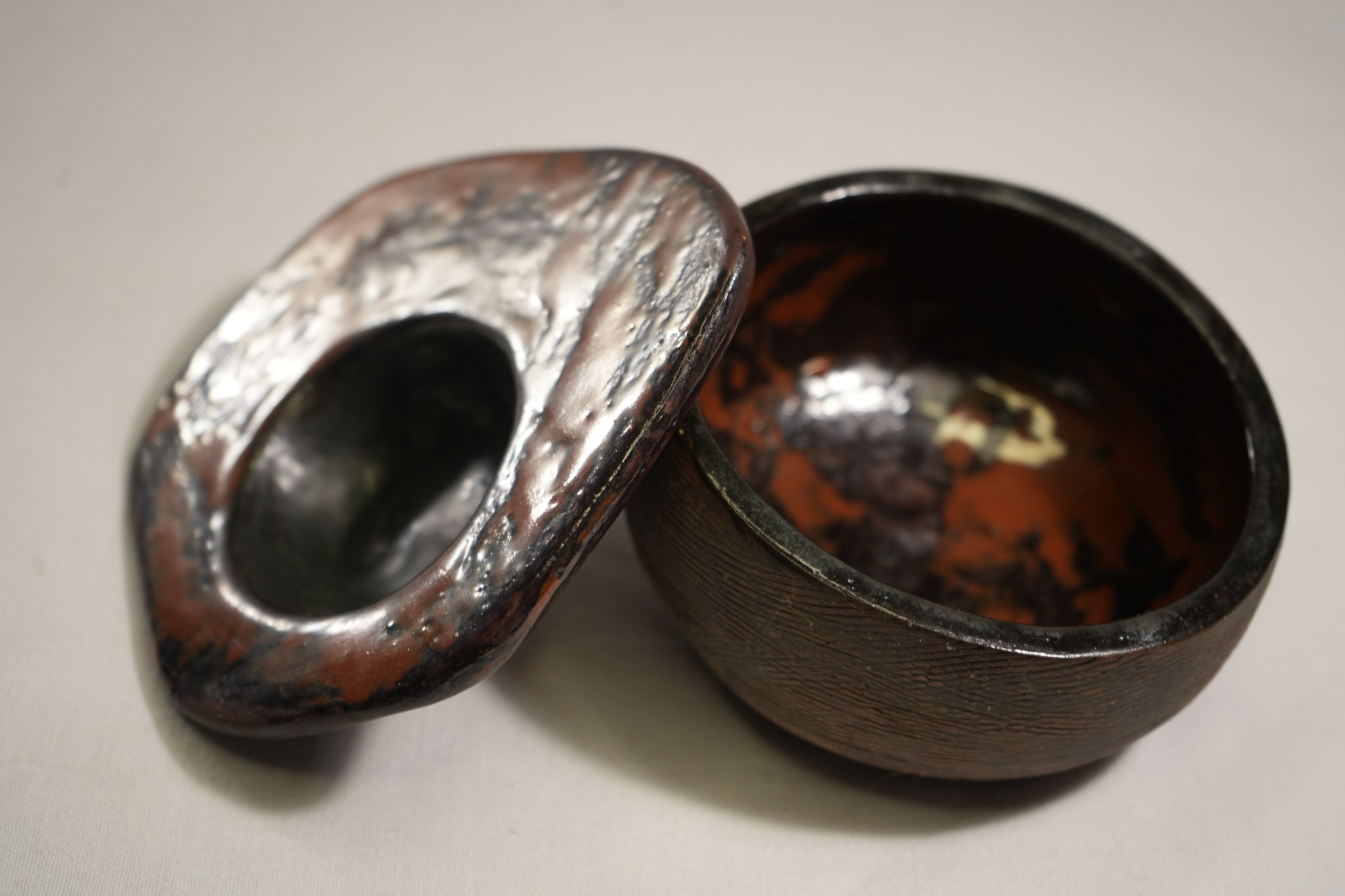
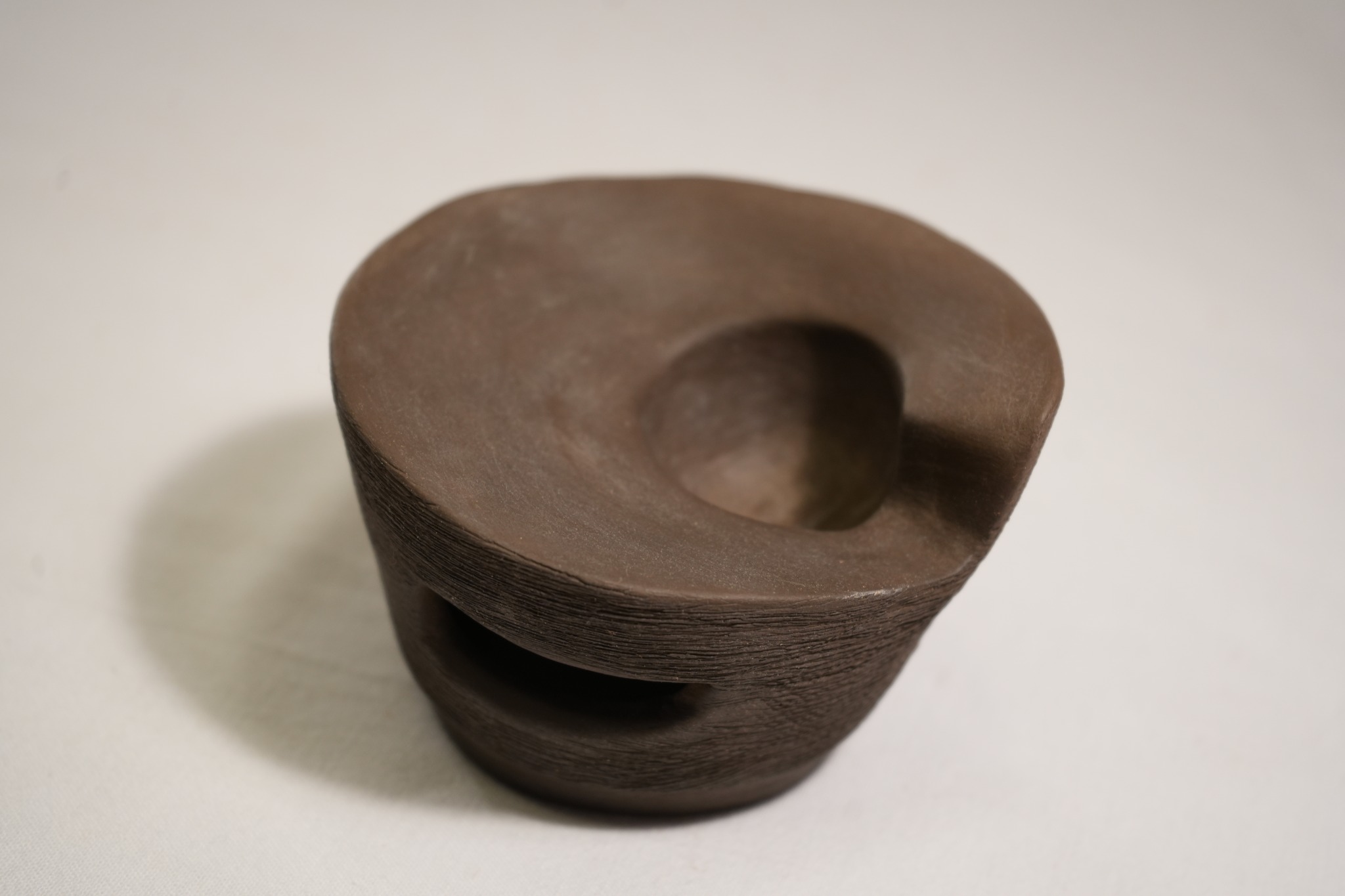
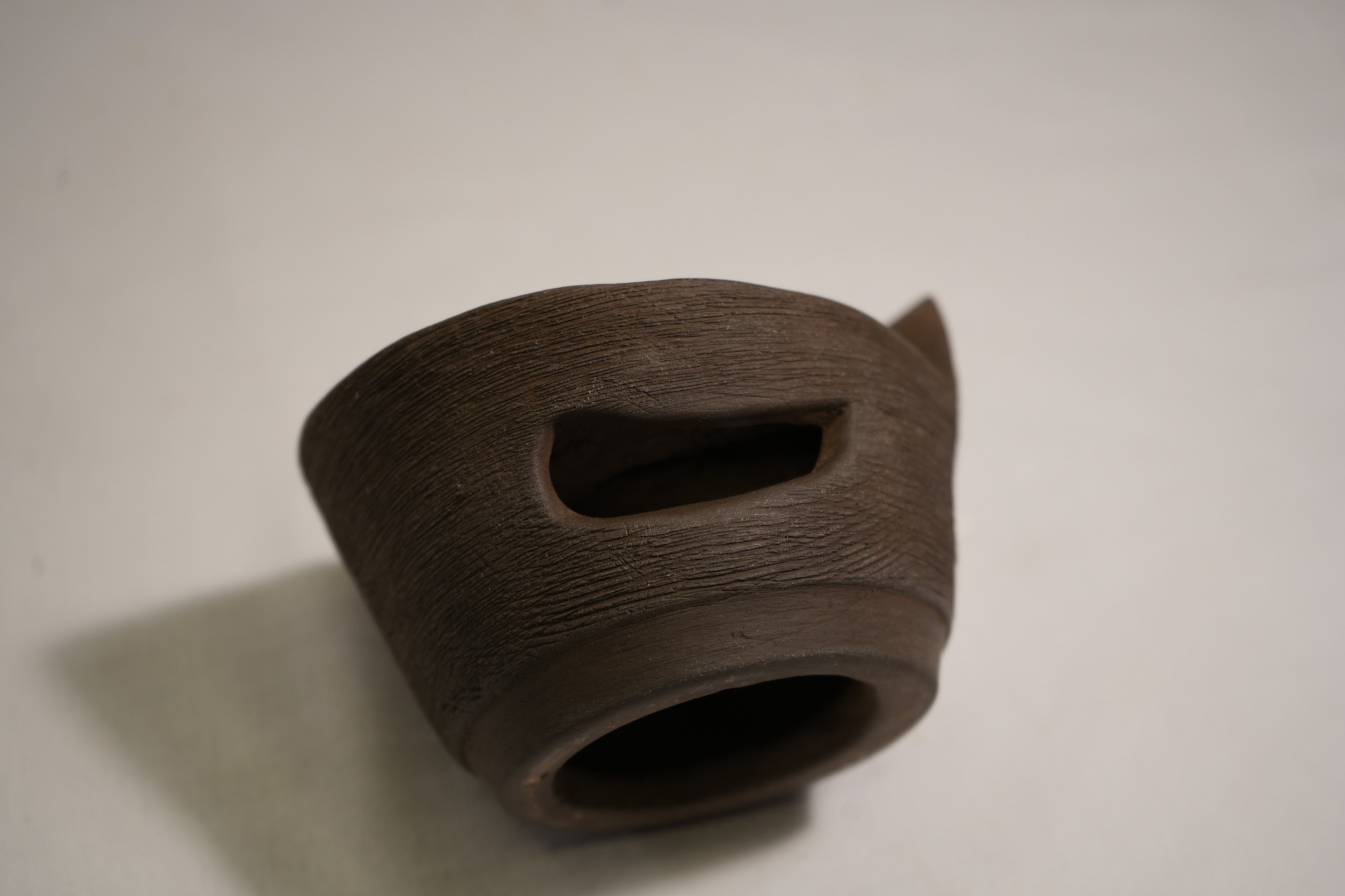
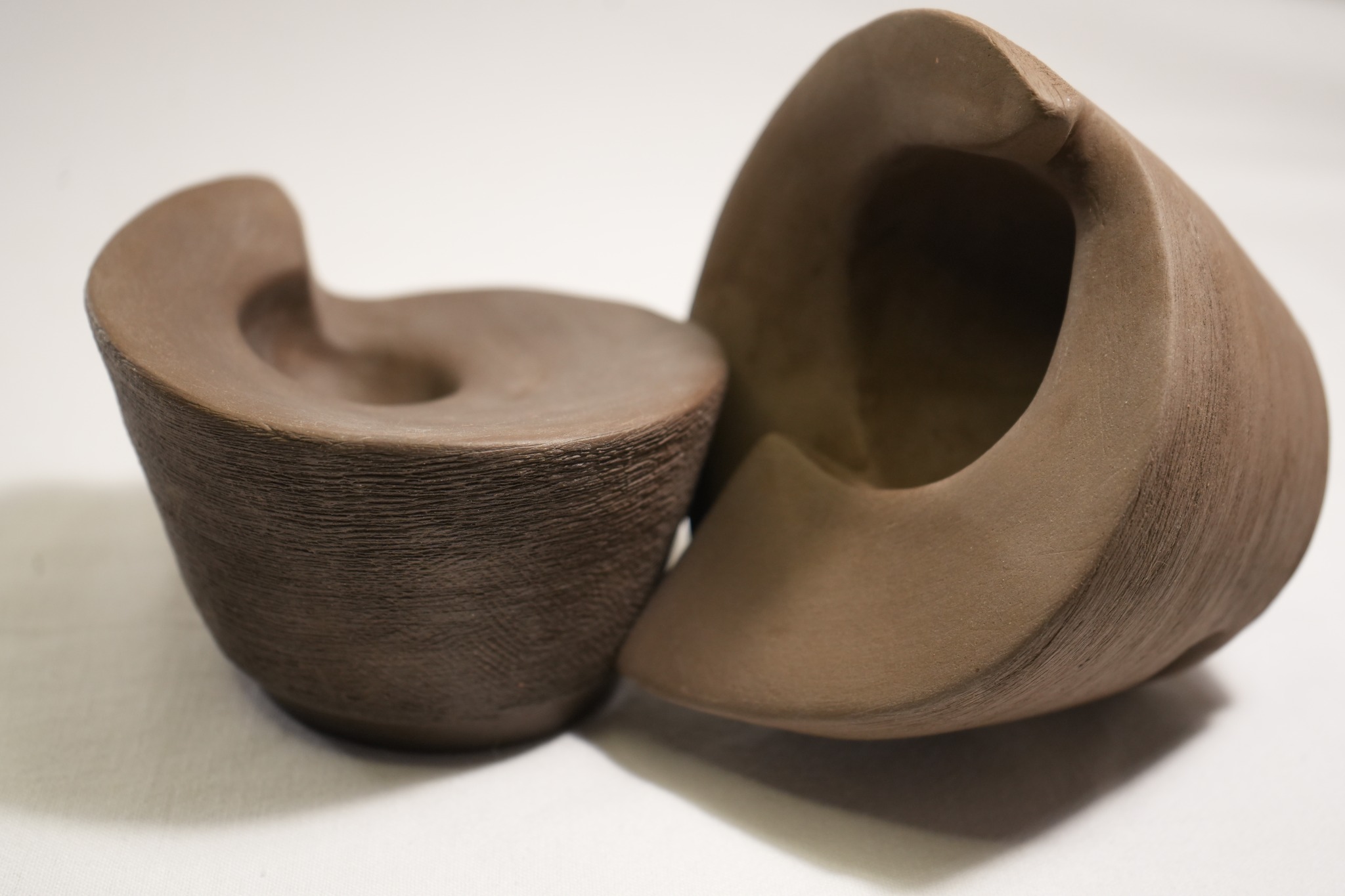
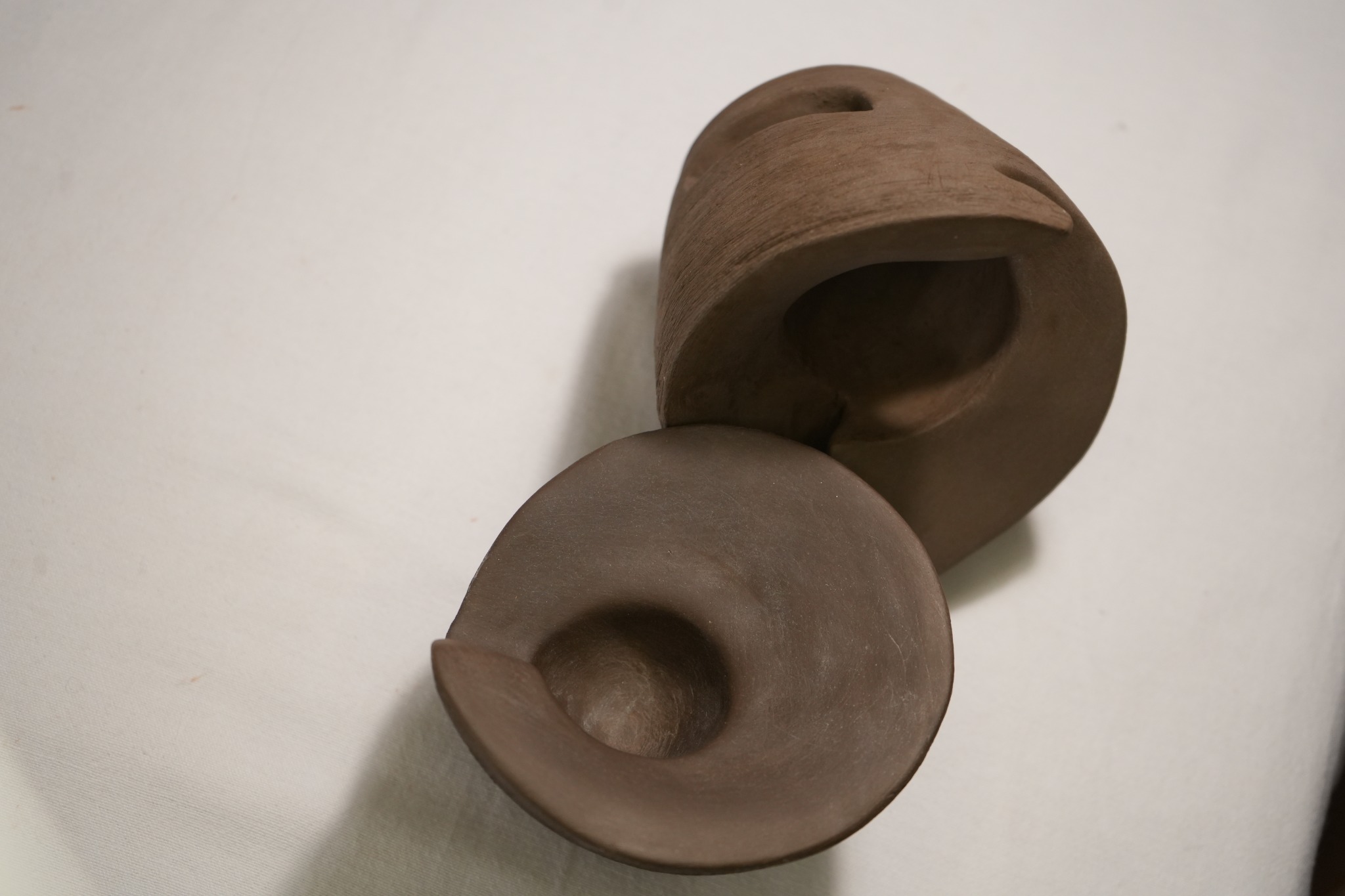
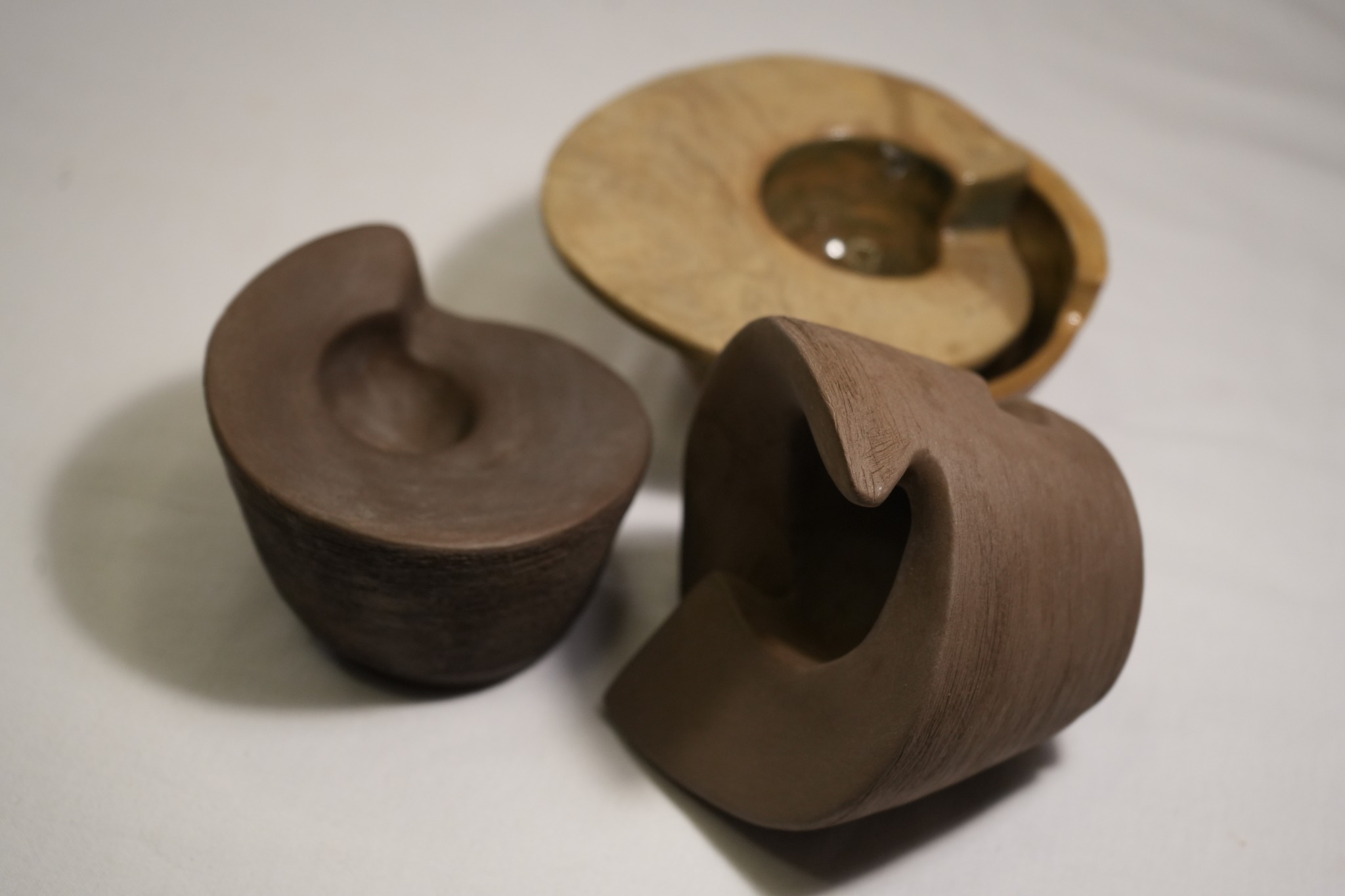
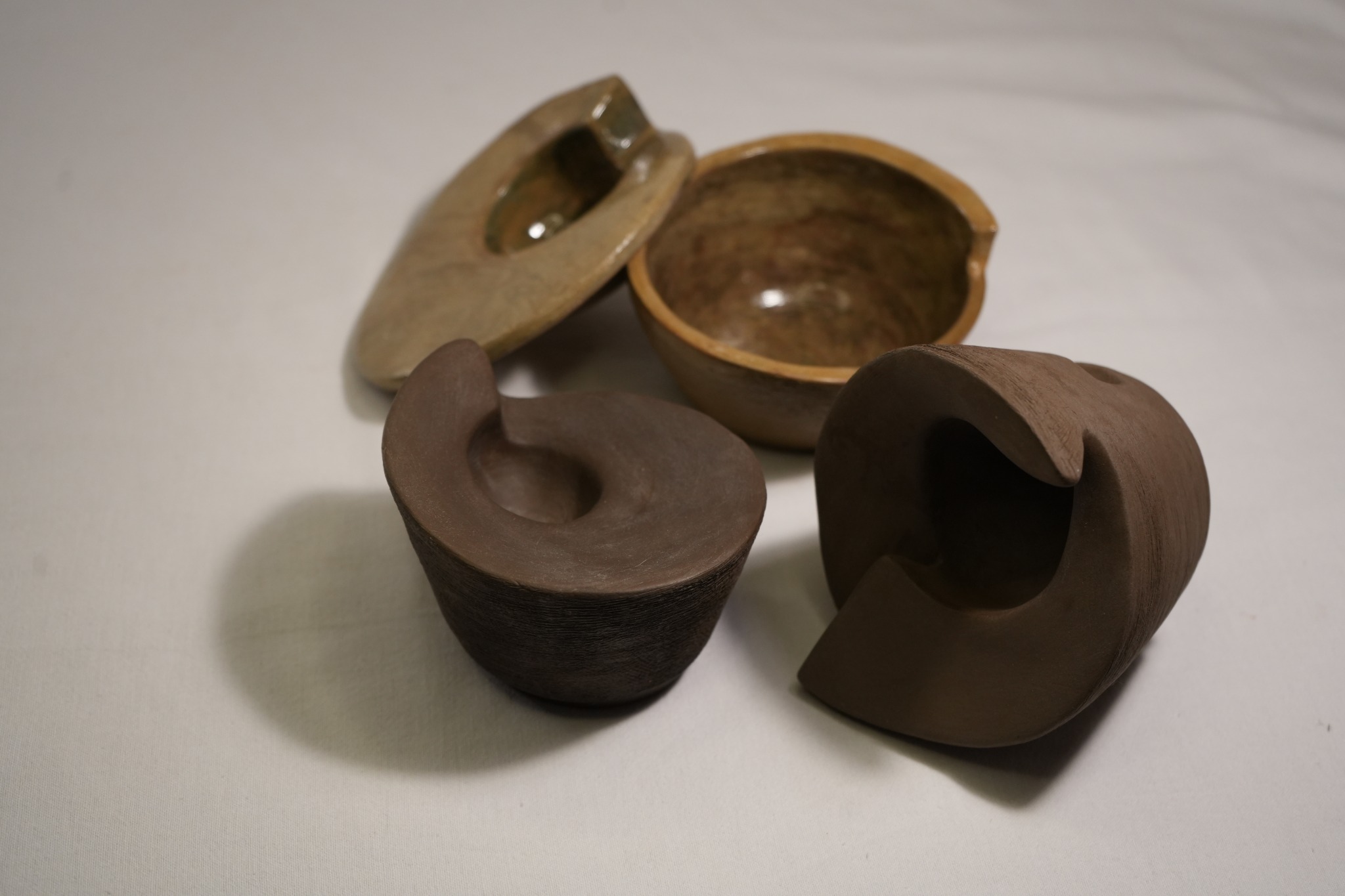
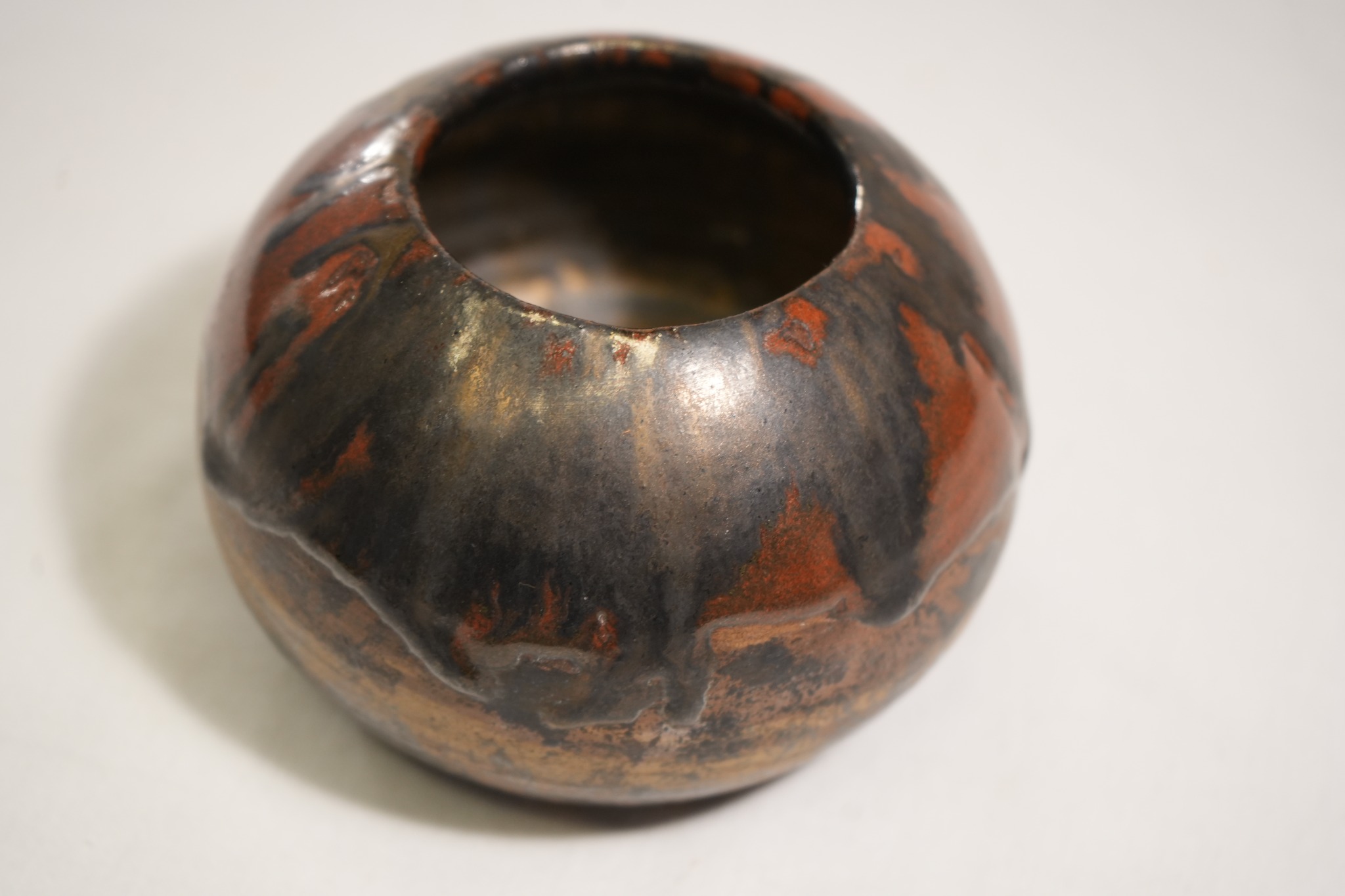
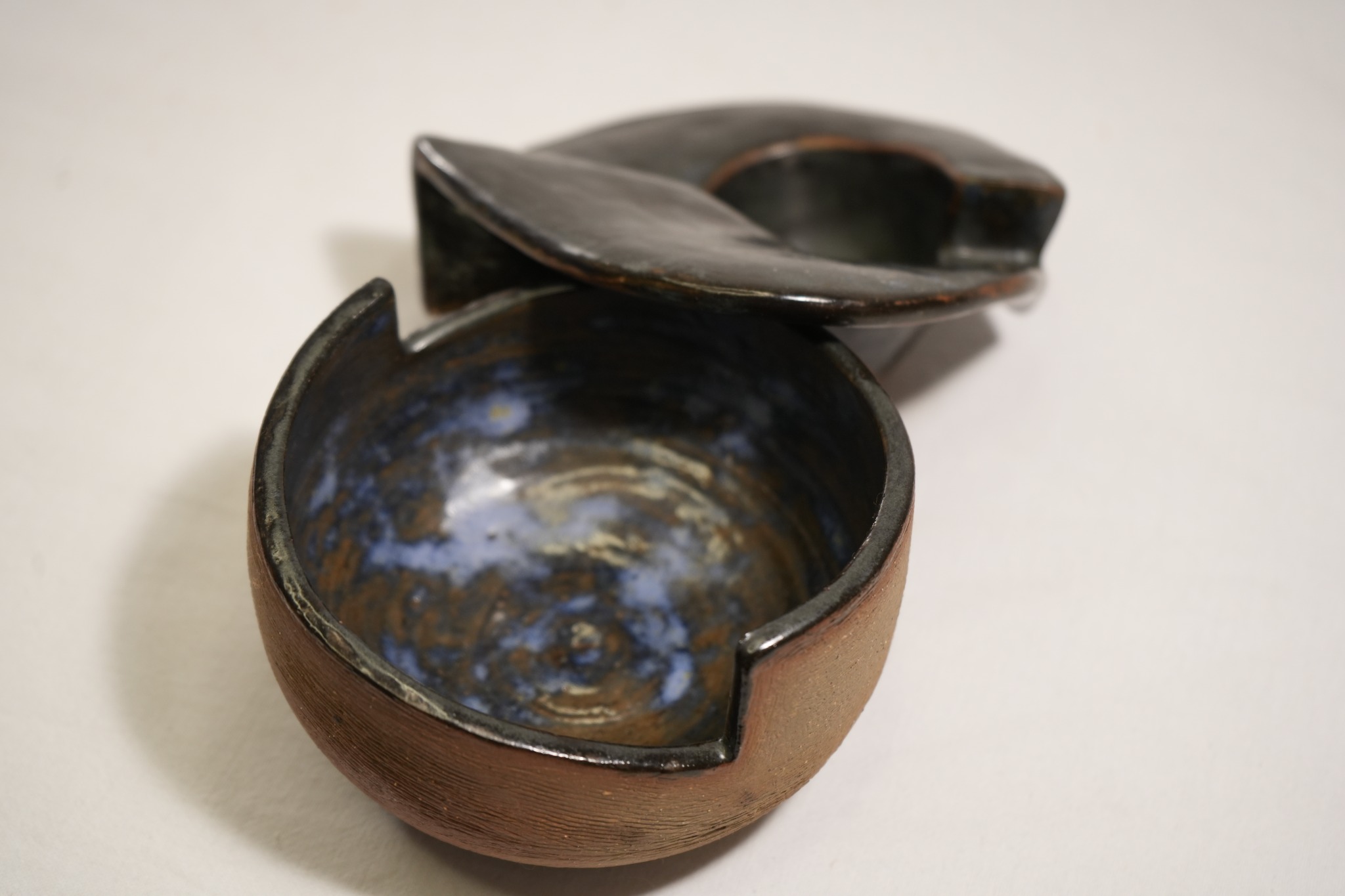
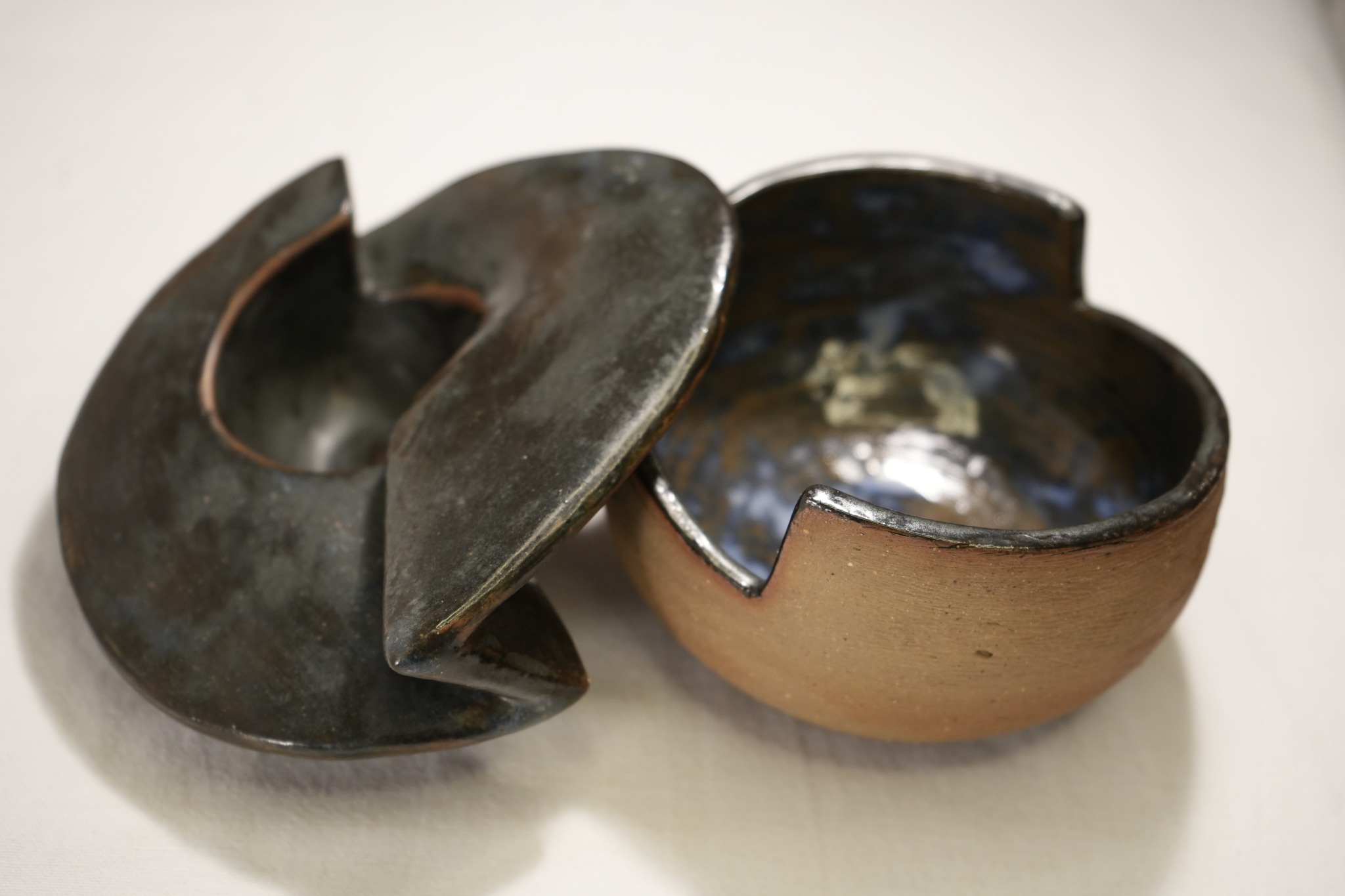
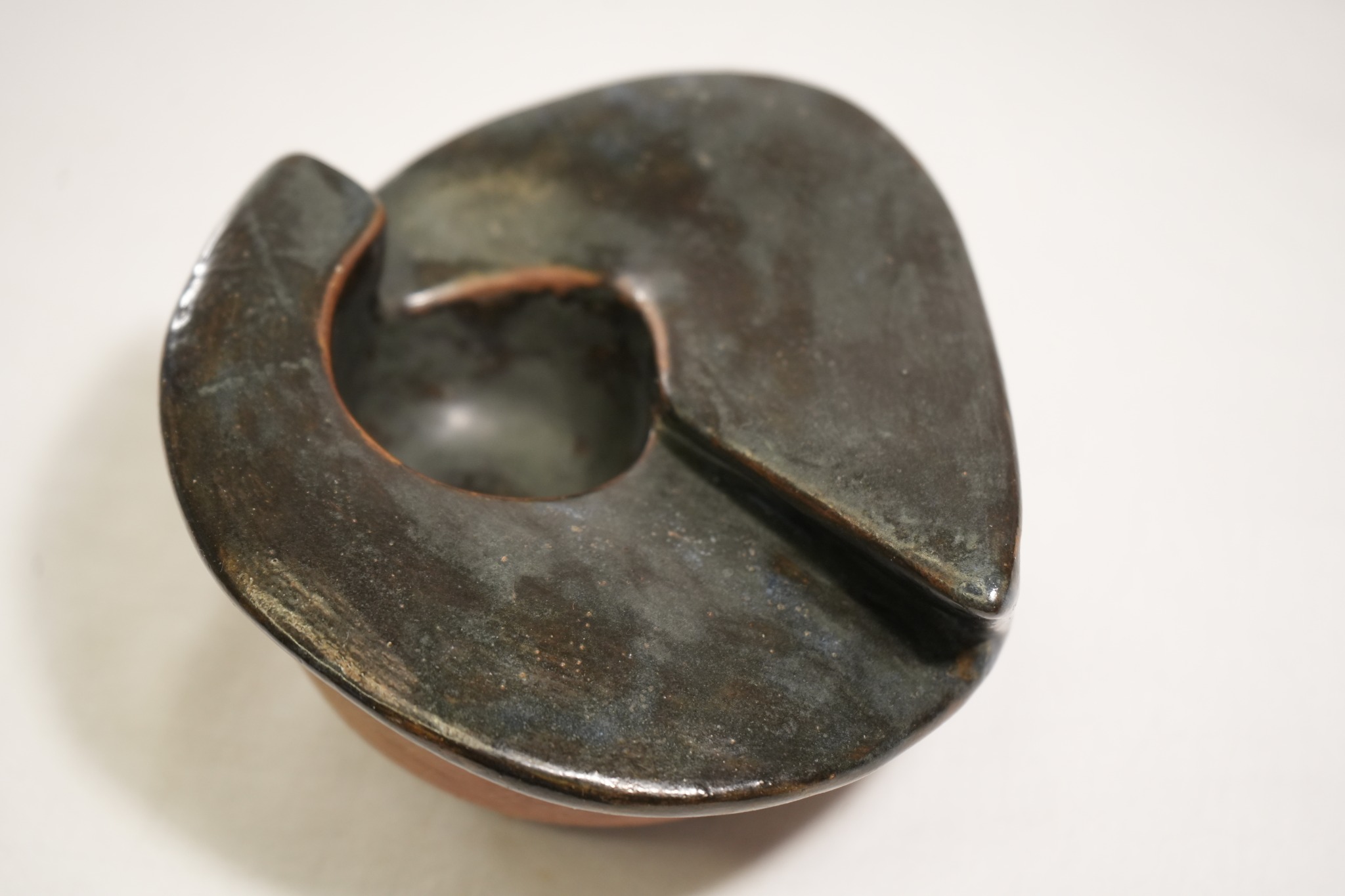
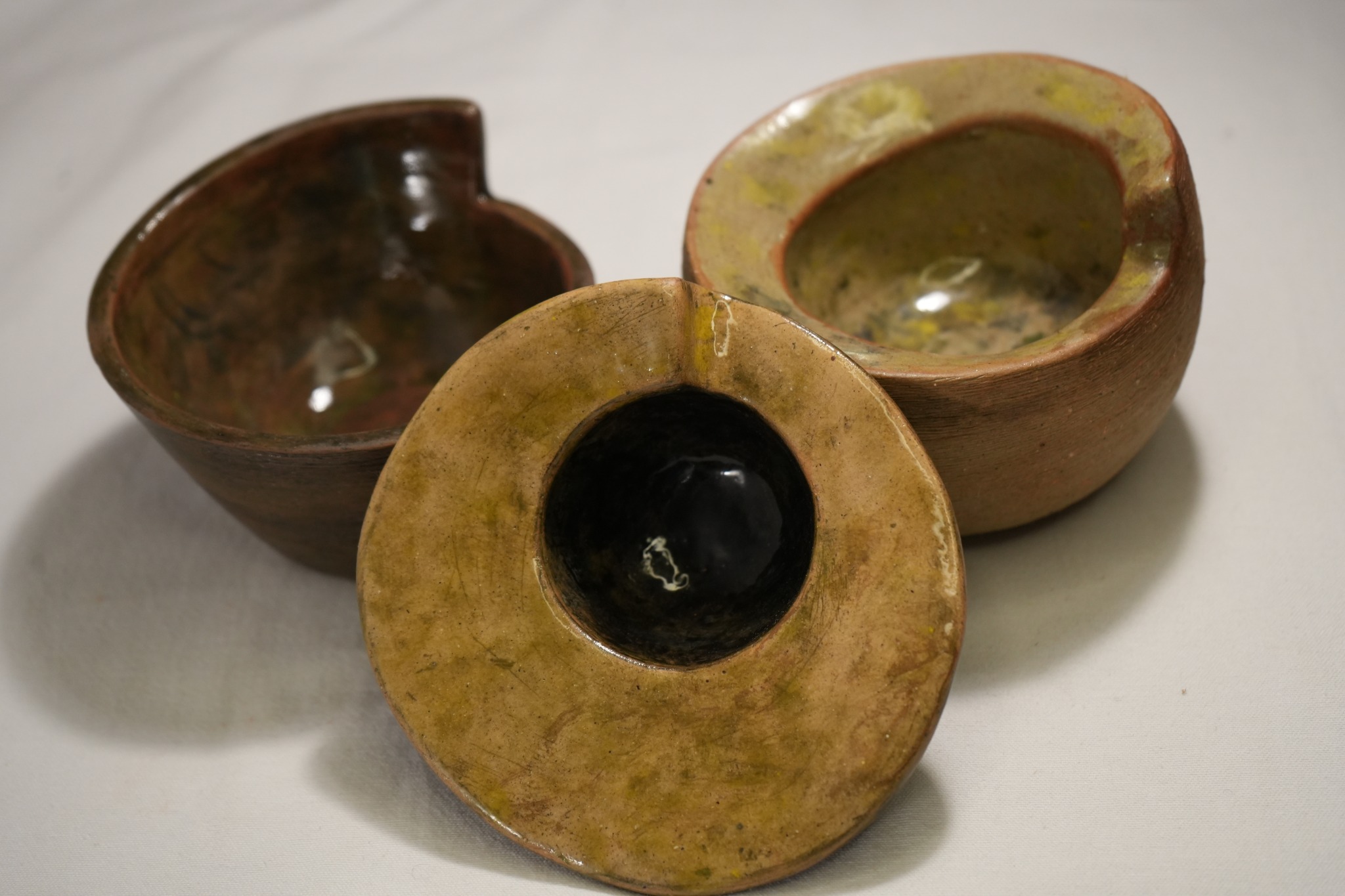
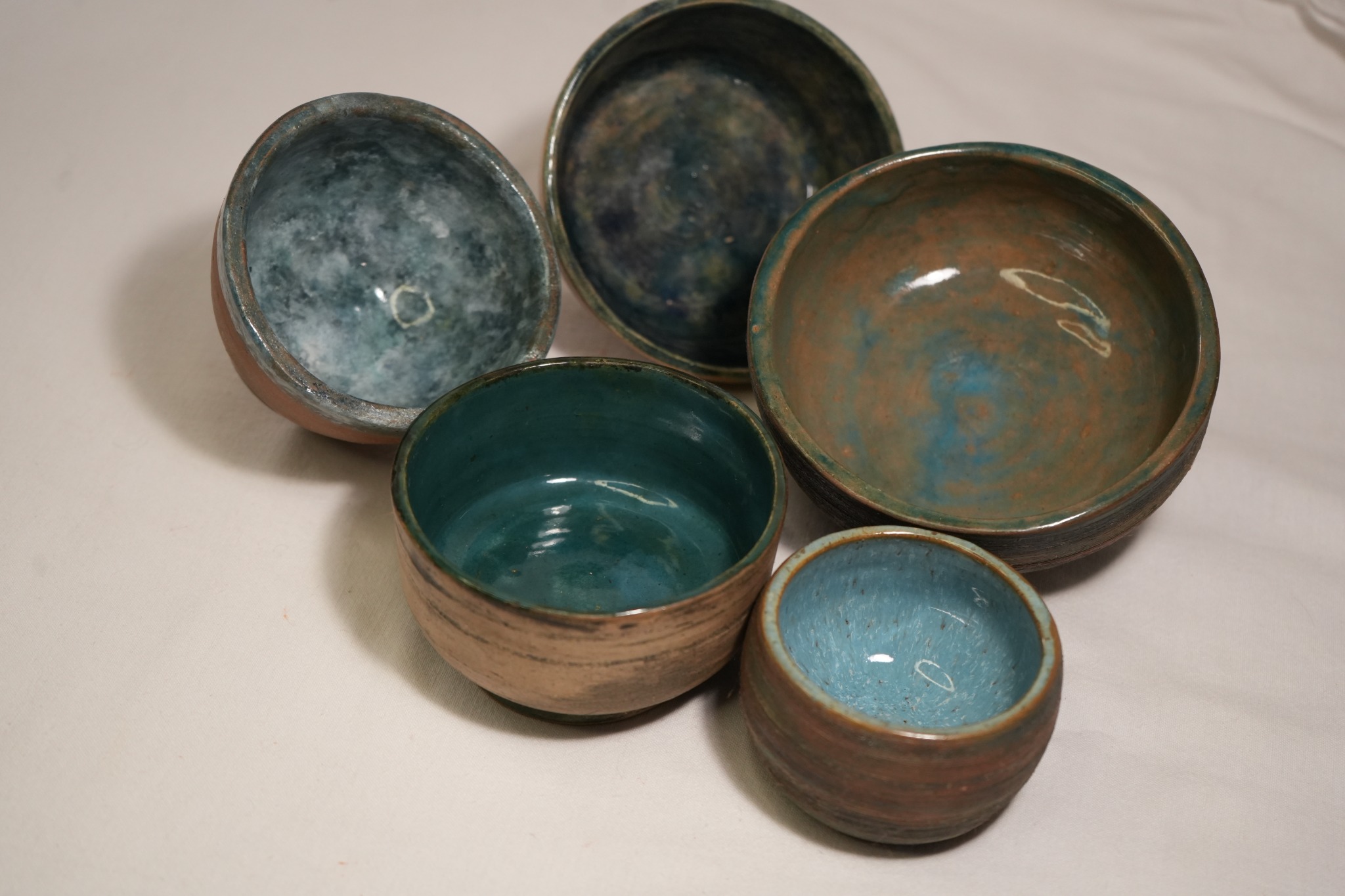
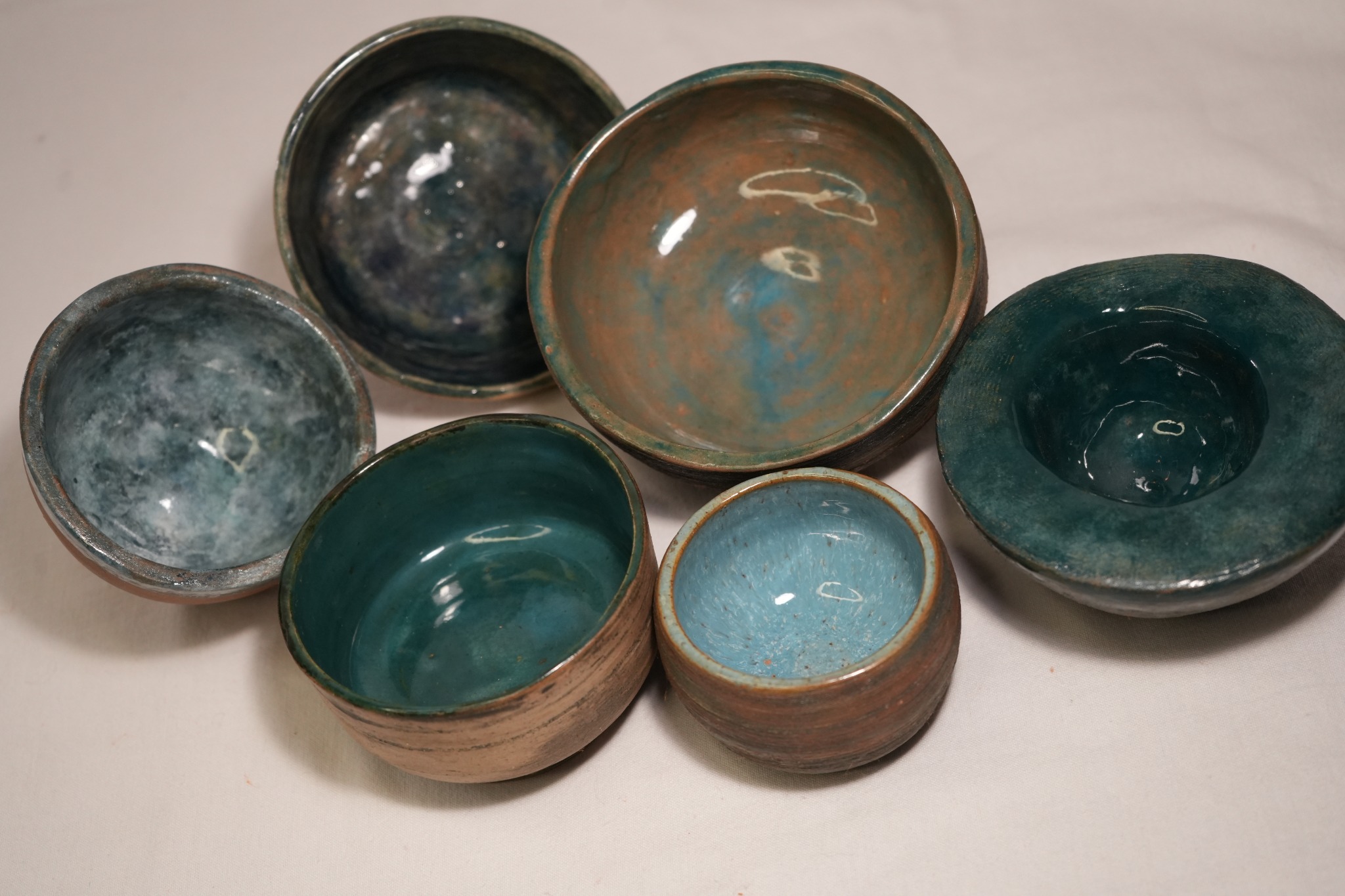
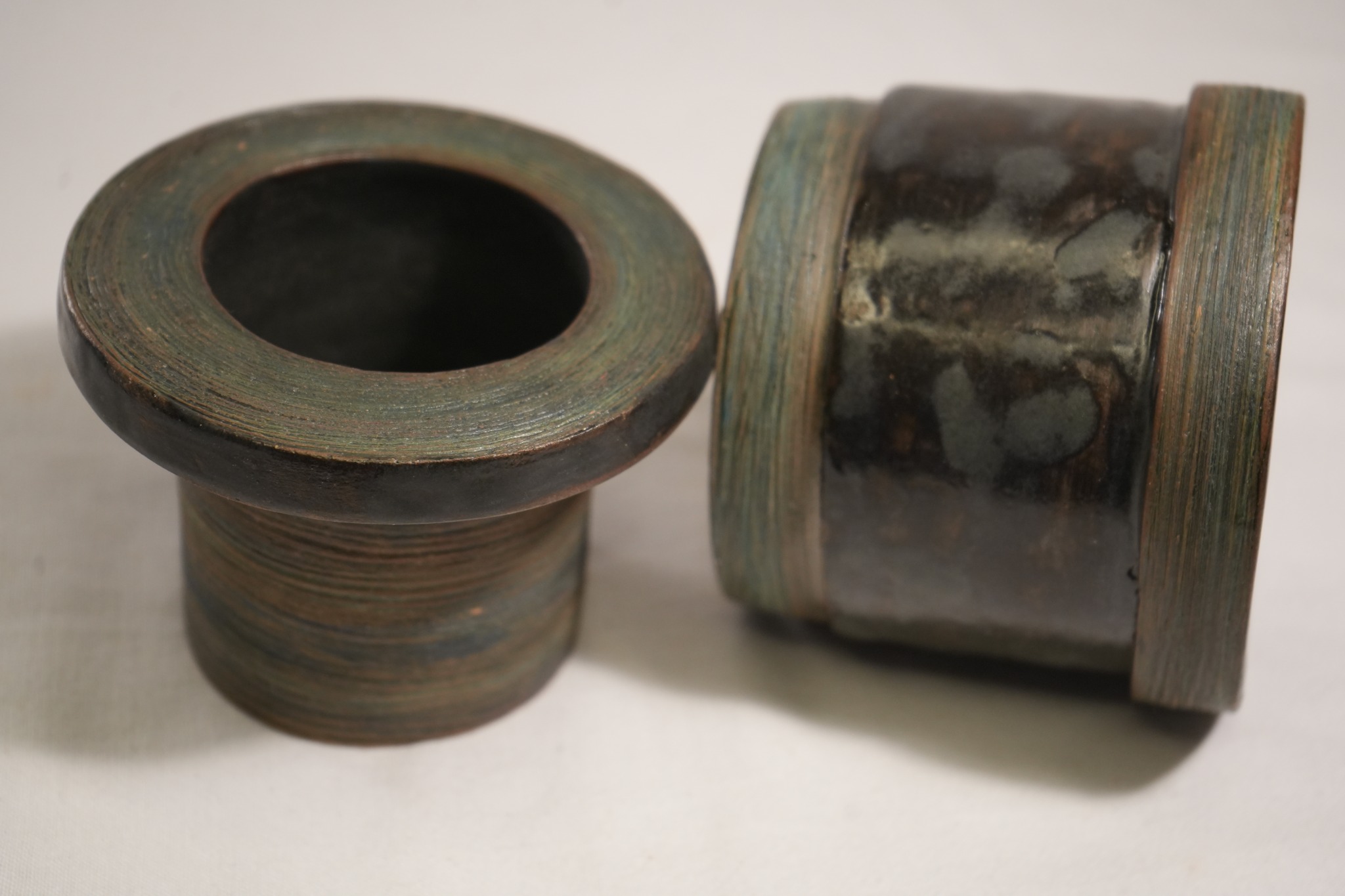
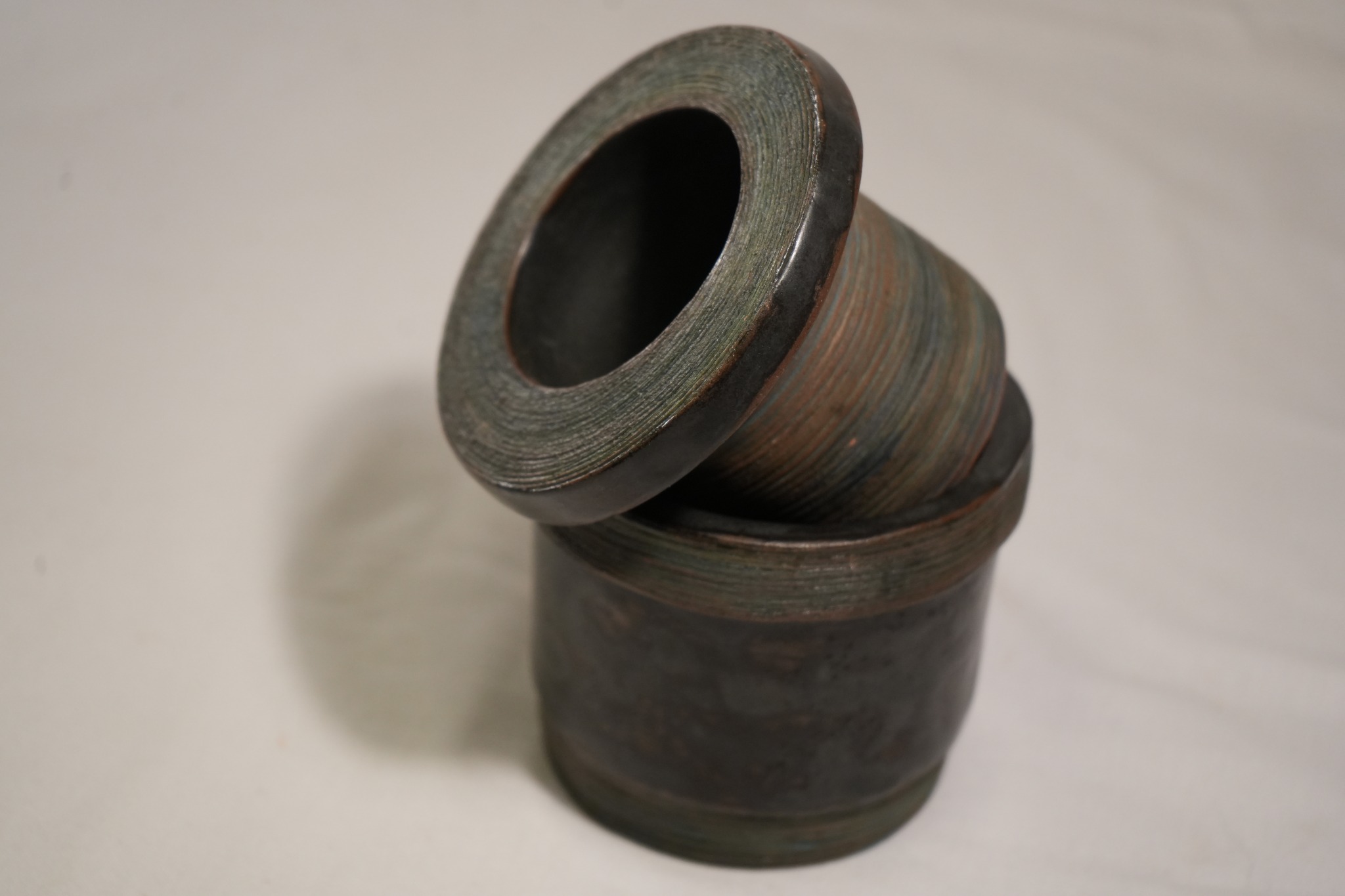
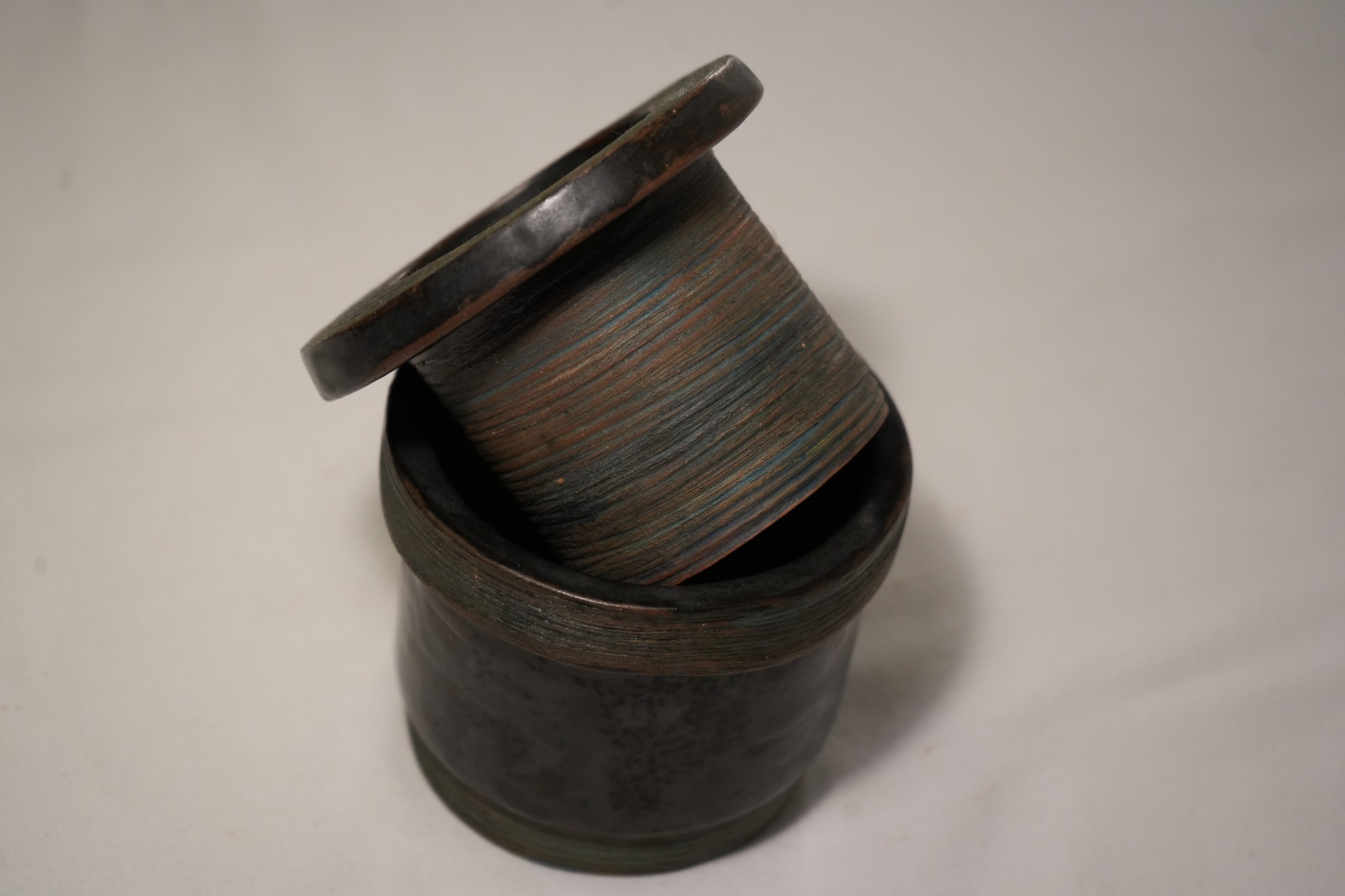
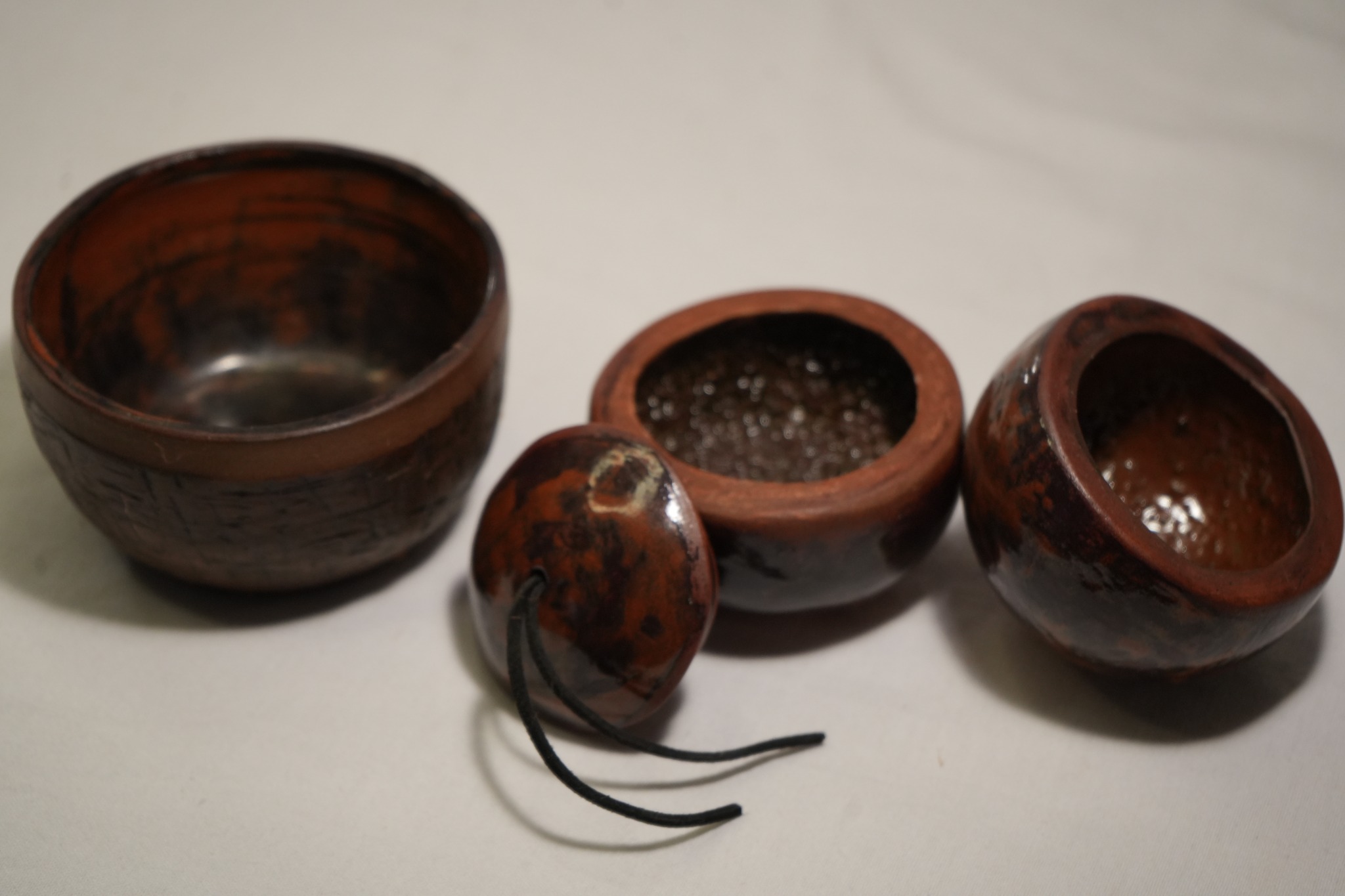
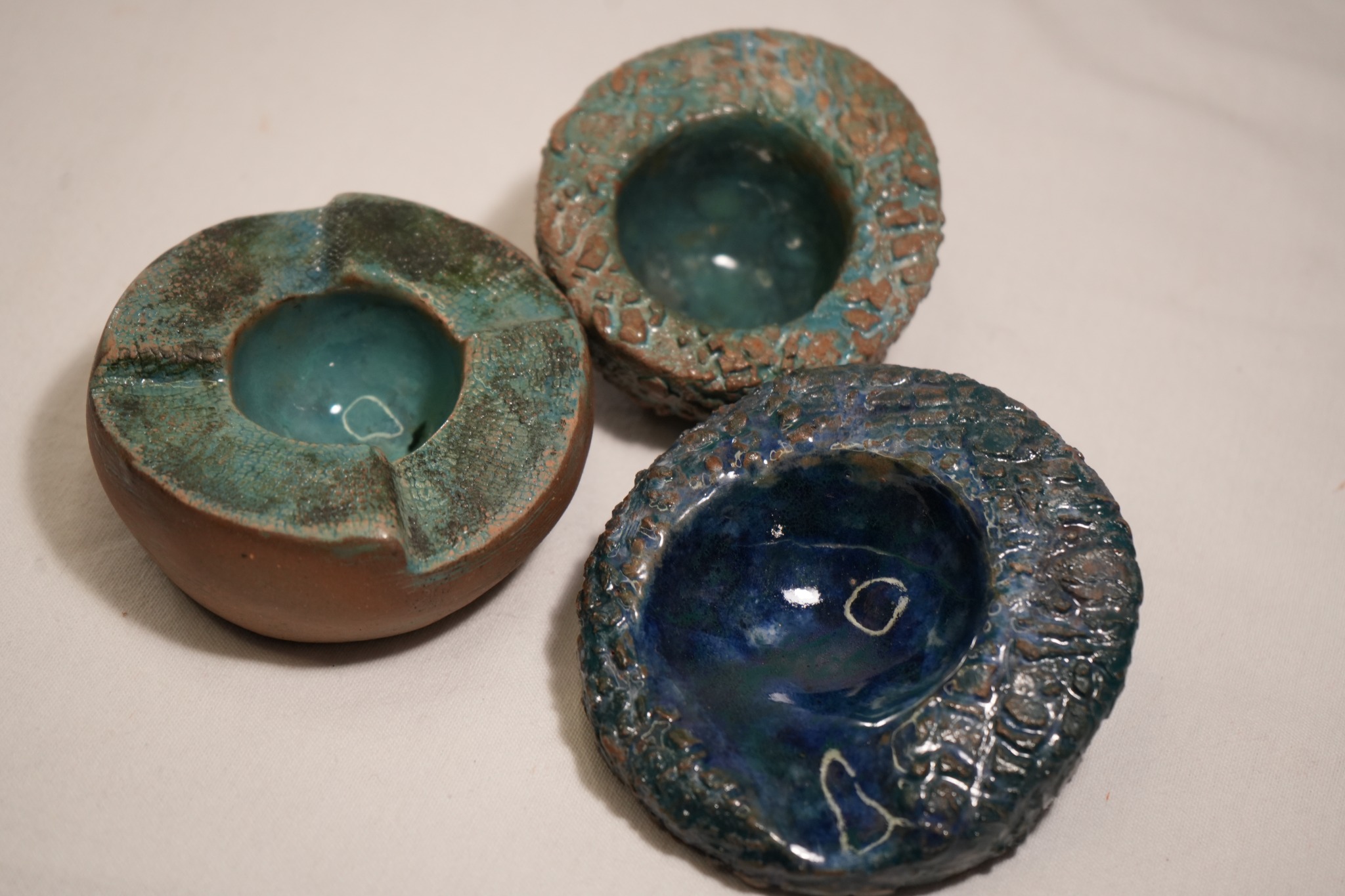
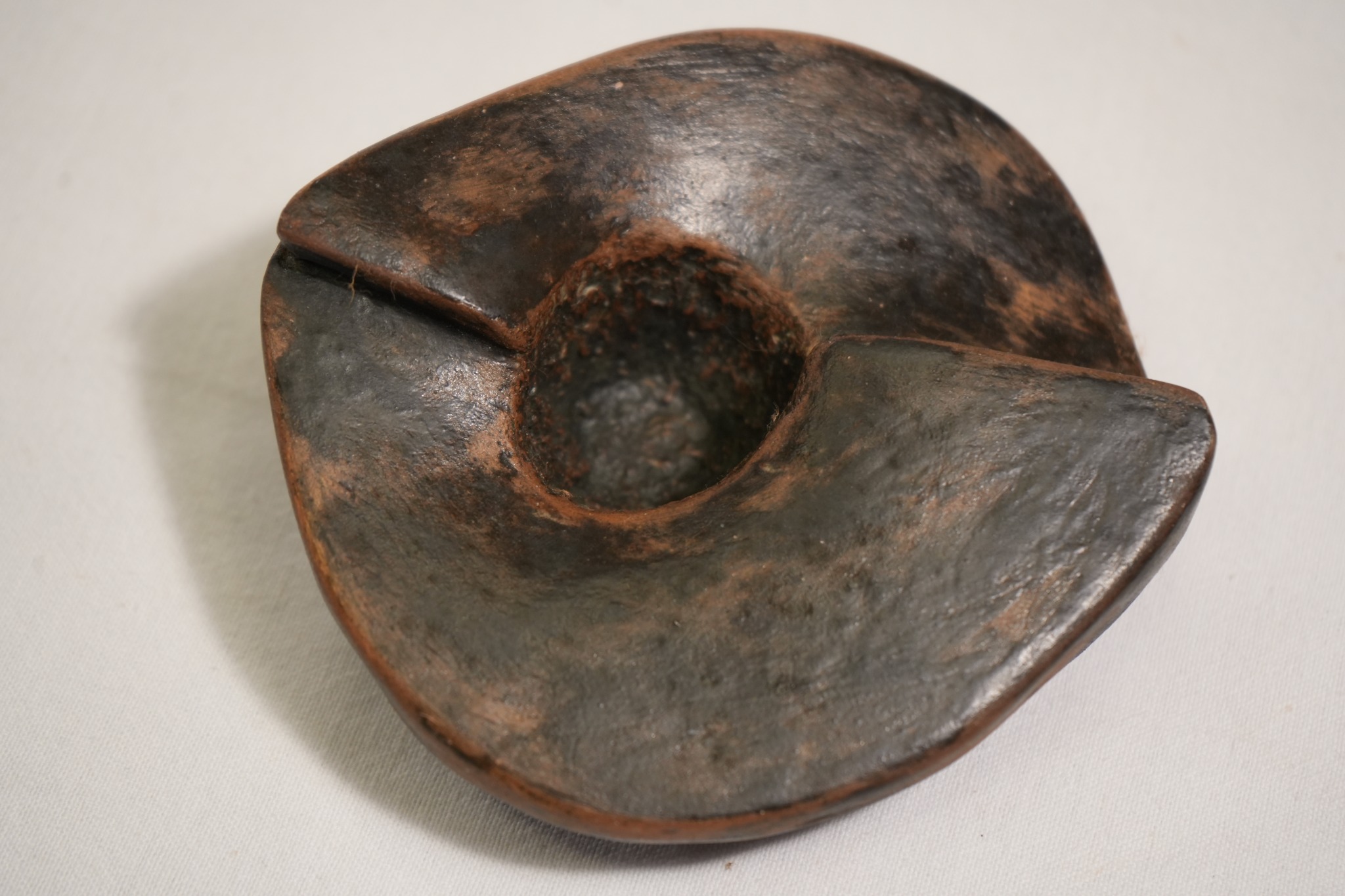
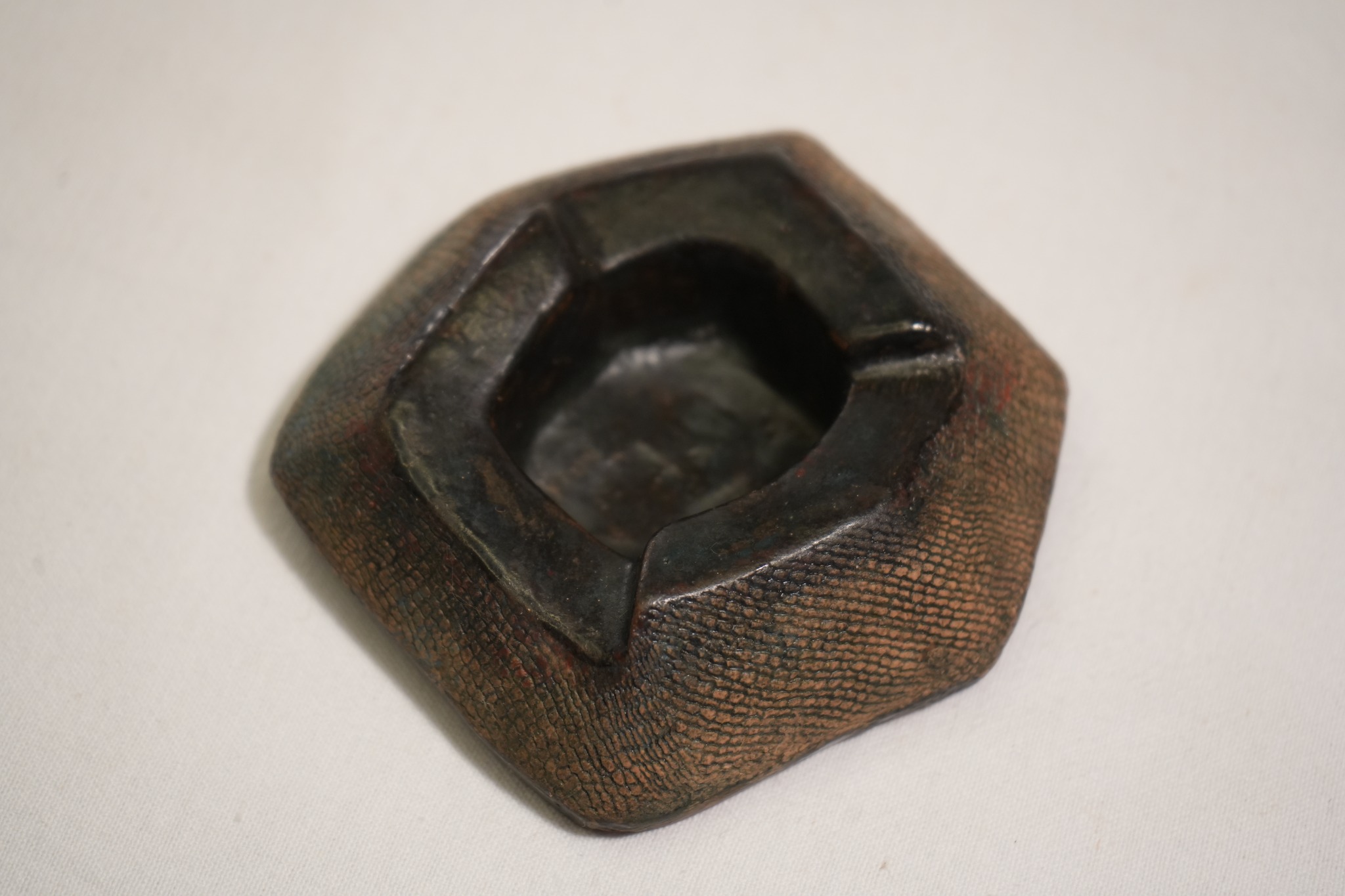
Las formas que aparecen en la obra de Ana Taranto, los materiales que las constituyen y, muy especialmente, las texturas que deliberadamente permanecen expuestas no responden a una abstracción casual. Parecen pertenecer, más bien, a una extensa genealogía material y cultural que circunvala el Mediterráneo: territorios de extraordinaria riqueza mineral y cromática, modelados también por una naturaleza violenta, por el fuego, la piedra y la transformación. Sicilia, tierra de origen de su familia, y la presencia casi mítica del Etna forman parte inevitable de ese imaginario.
Esa relación con la materia comenzó mucho antes de que Taranto pudiera reconocerla como una elección artística. Desde muy pequeña estuvo vinculada al taller de su tía Toni, profesora de cerámica en la Escuela Nacional de Cerámica y en la Escuela Técnica Otto Krause de Buenos Aires.
En aquel taller de la calle Las Heras, Toni reunía los fines de semana a sus sobrinos. Era un espacio difícil de clasificar: algo de laboratorio, algo de territorio fantástico. Cerámicas, pigmentos y objetos convivían con un enorme horno casi industrial, entre conversaciones, relatos y una atmósfera de misterio. Allí Ana jugaba, observaba y aprendía sin saber todavía que estaba aprendiendo.
El taller era también lugar de encuentro de artistas de la vida cultural porteña —pintores, dibujantes y otros creadores— que experimentaban junto a Toni con las posibilidades de la cerámica. Aquel universo fue construyendo silenciosamente una memoria que muchos años después reaparecería transformada en la obra de Taranto: la fascinación por la materia, la superficie deliberadamente imperfecta, la huella del proceso y una particular relación entre volumen, cavidad y vacío.
Antes de regresar plenamente a aquella inclinación de la infancia, Ana Taranto realizó tres carreras universitarias. Su posterior formación en alfarería, cerámica y escultura en la ESEA de Cerámica N.º 1 le proporcionó el dominio técnico de una disciplina que, sin embargo, abordaría desde una posición profundamente personal. Su trabajo se resistió desde temprano a quedar contenido dentro de los lenguajes más convencionales de la cerámica.
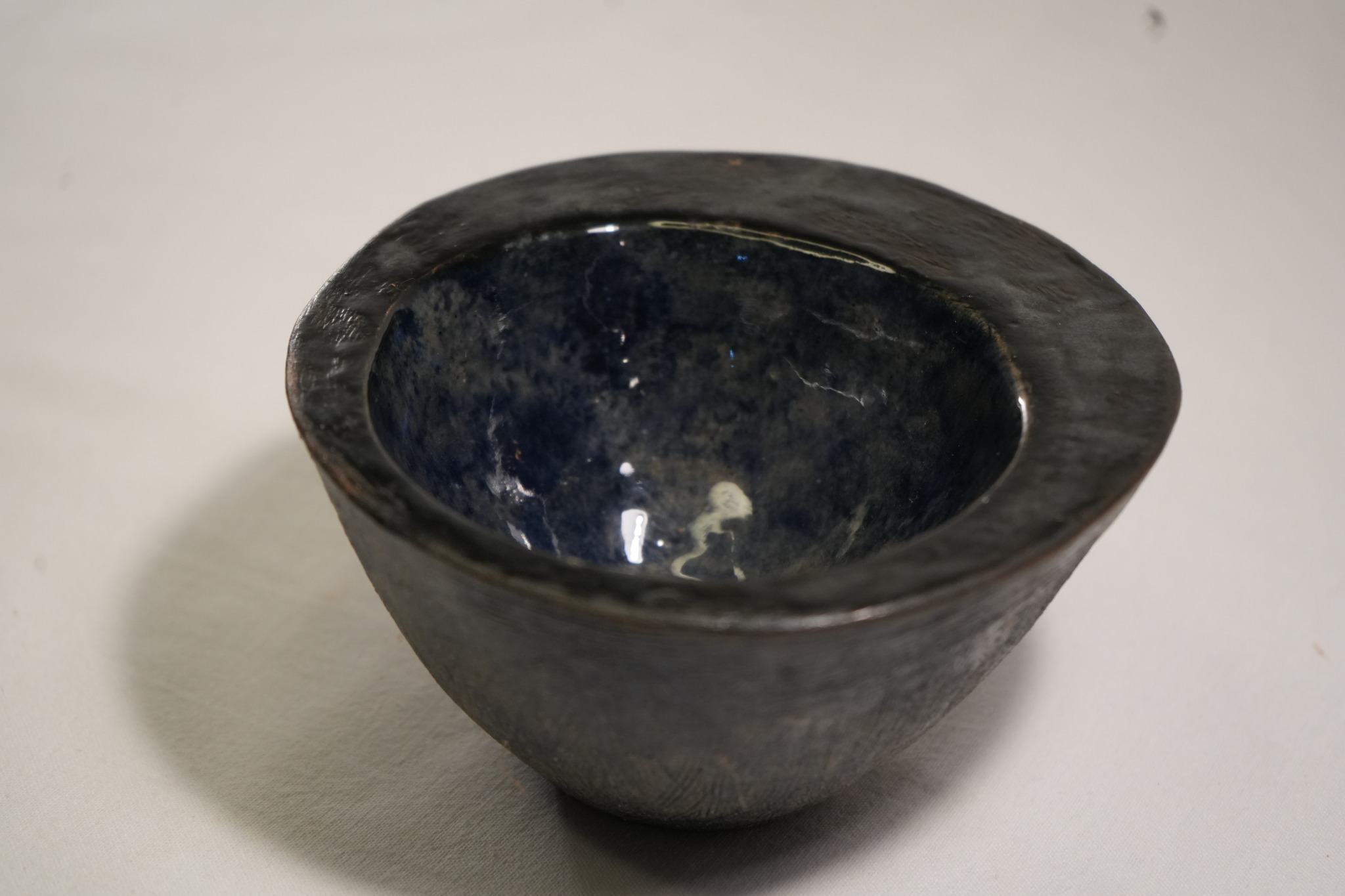
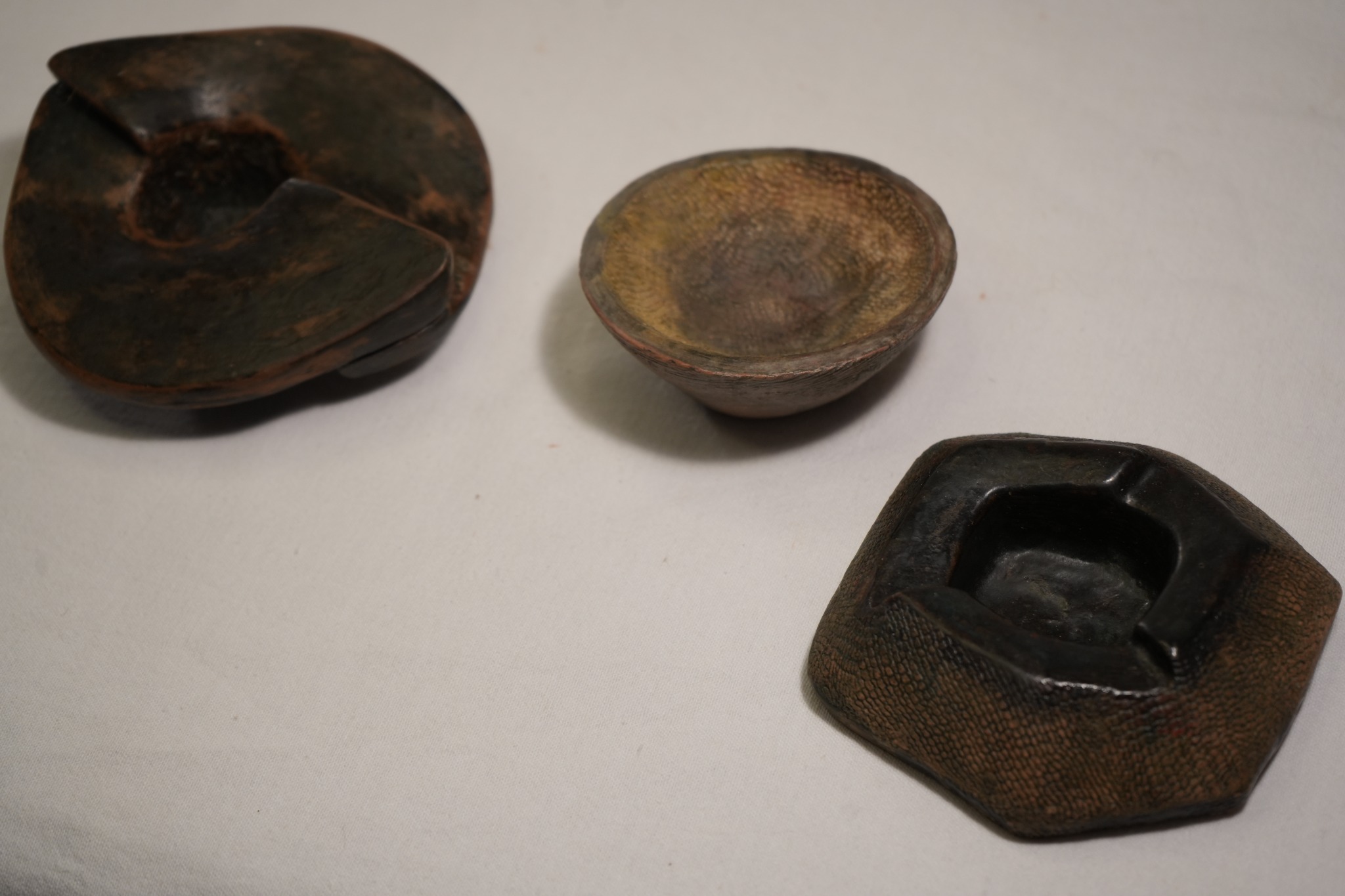
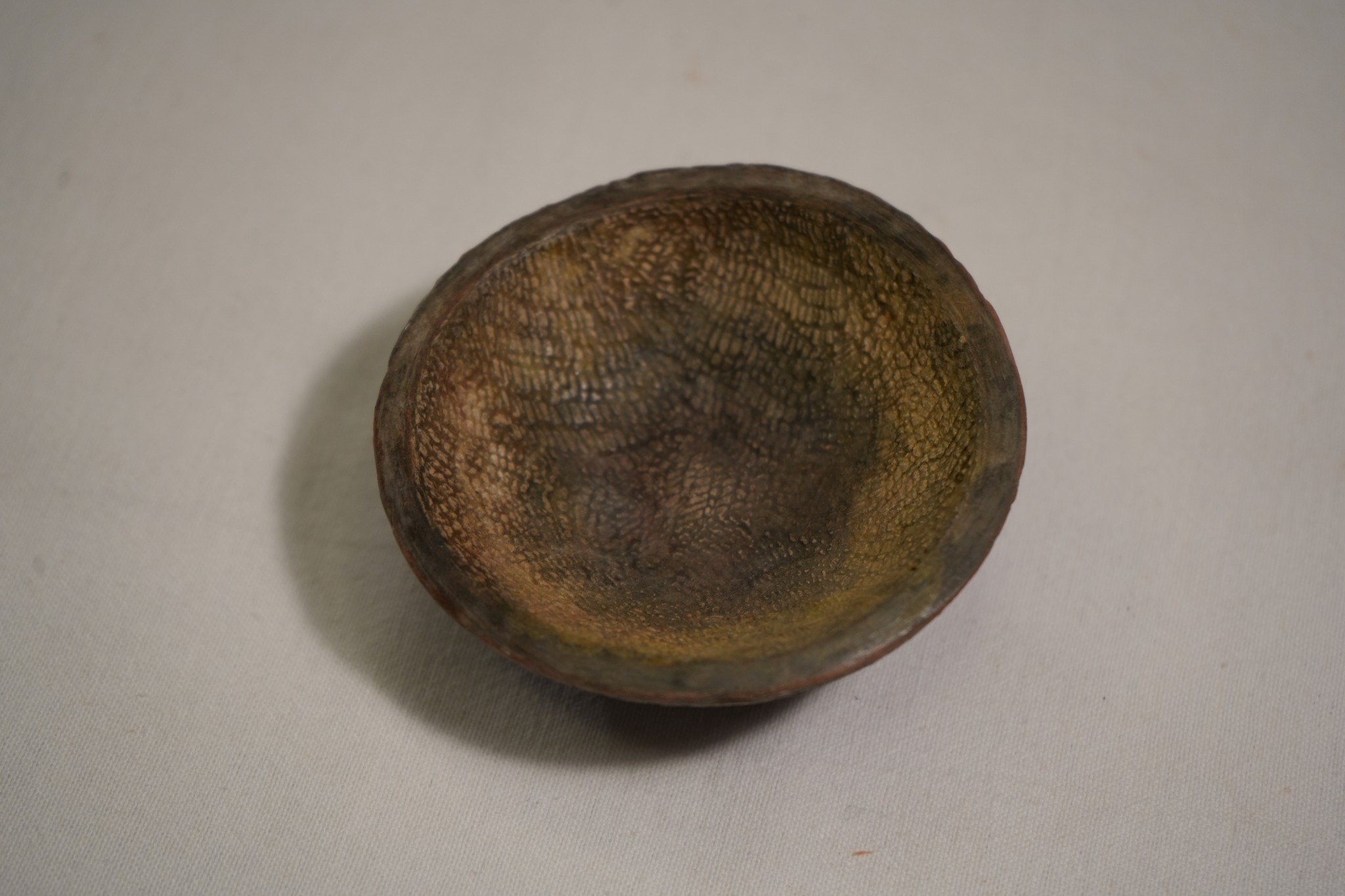
En sus piezas persiste algo que parece anterior a su propia ejecución. Algunas formas remiten a una memoria mediterránea de tierras, hornos, minerales y culturas superpuestas; otras parecen acercarse aún más atrás en el tiempo, hacia el universo remoto del Creciente Fértil, cuando materia, utilidad, rito y representación todavía podían habitar un mismo objeto.
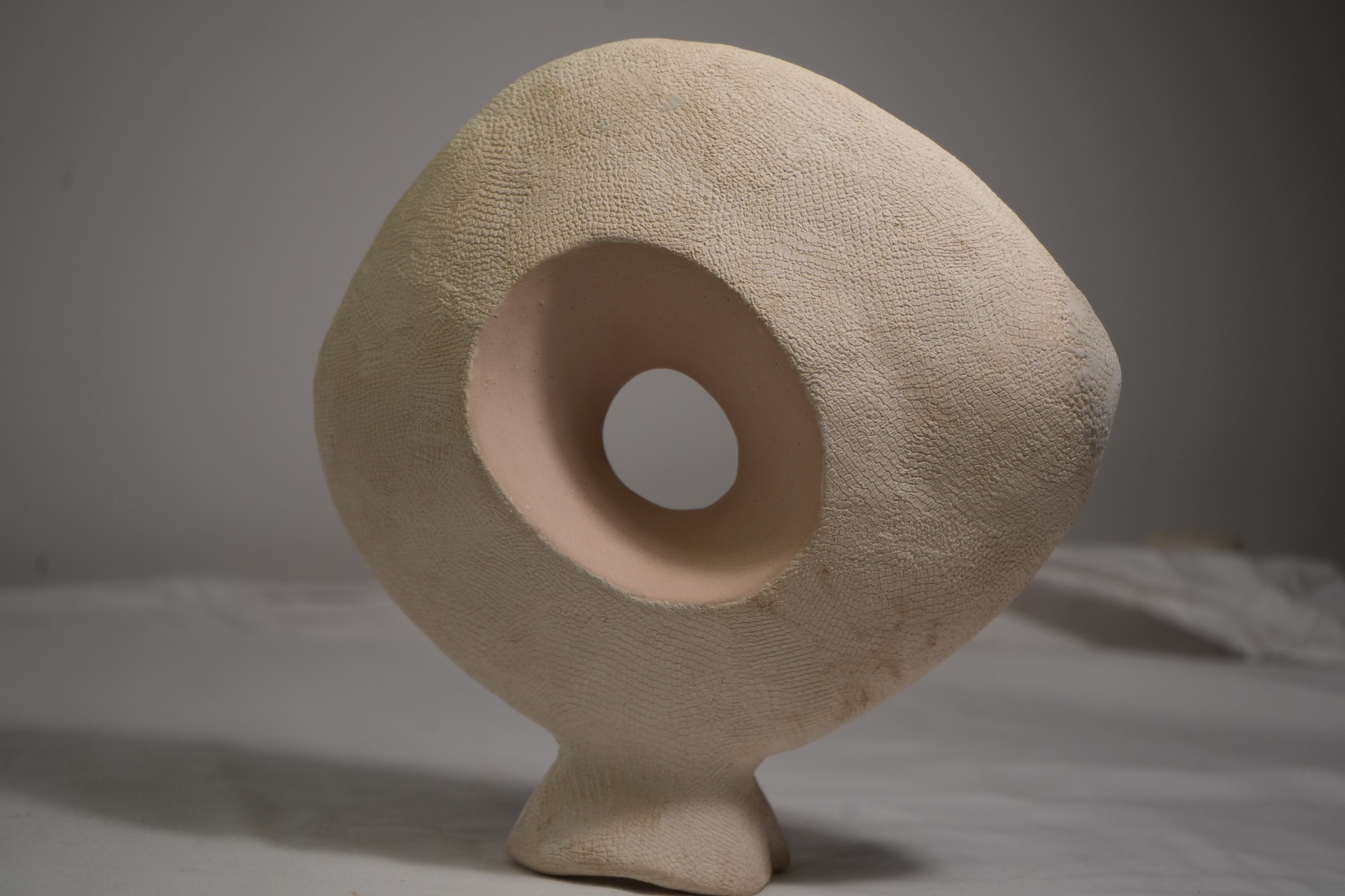
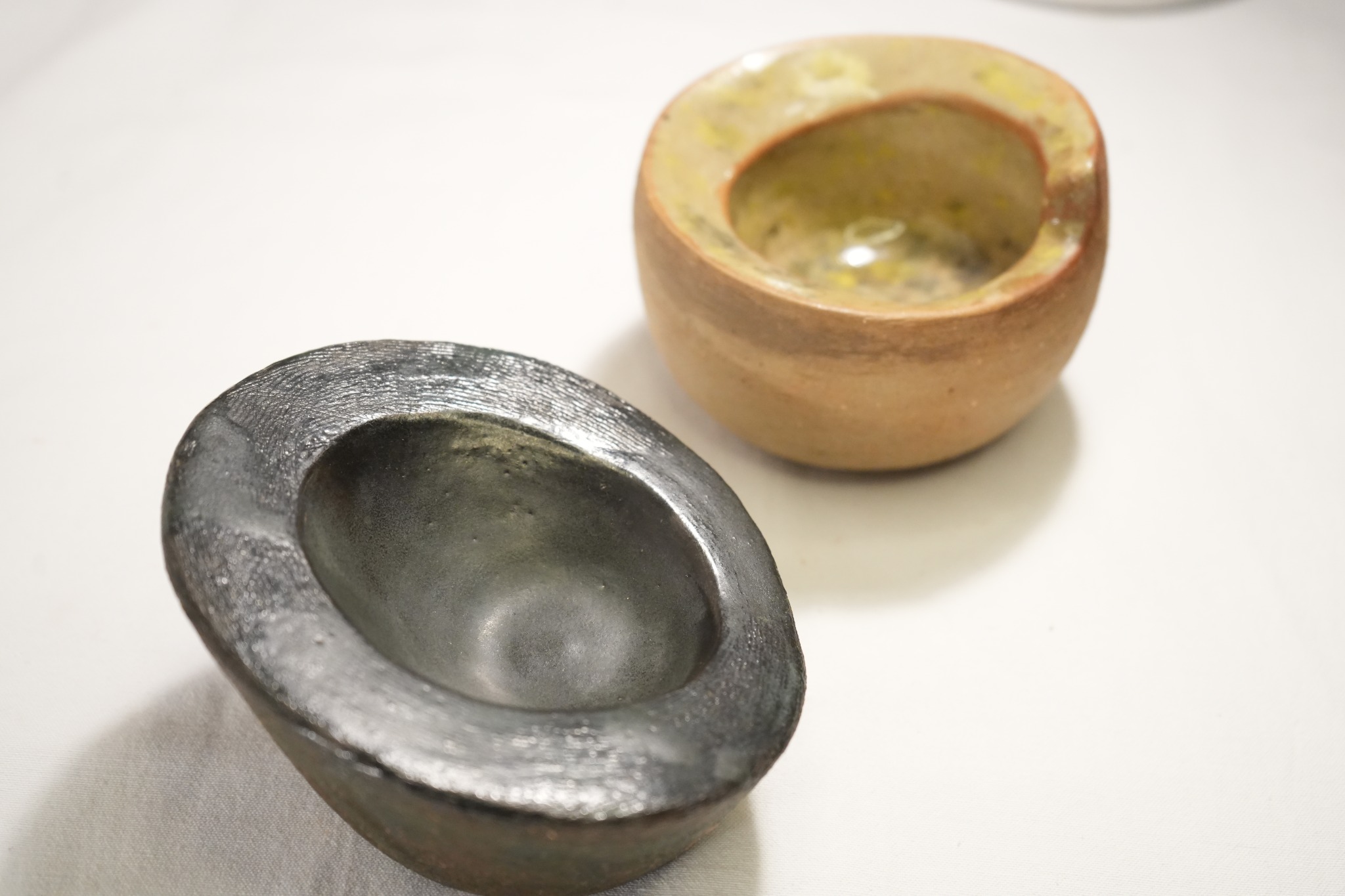
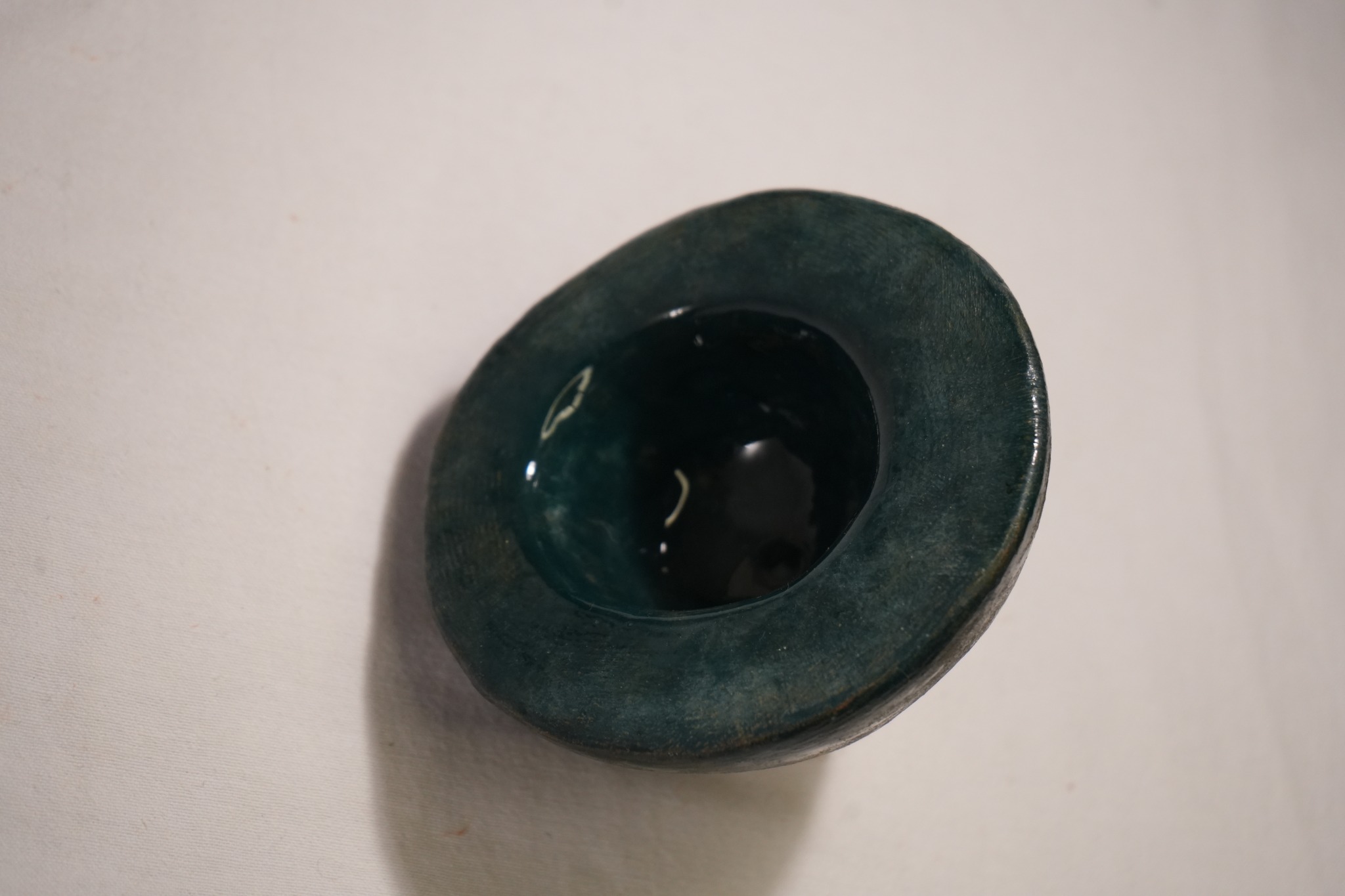
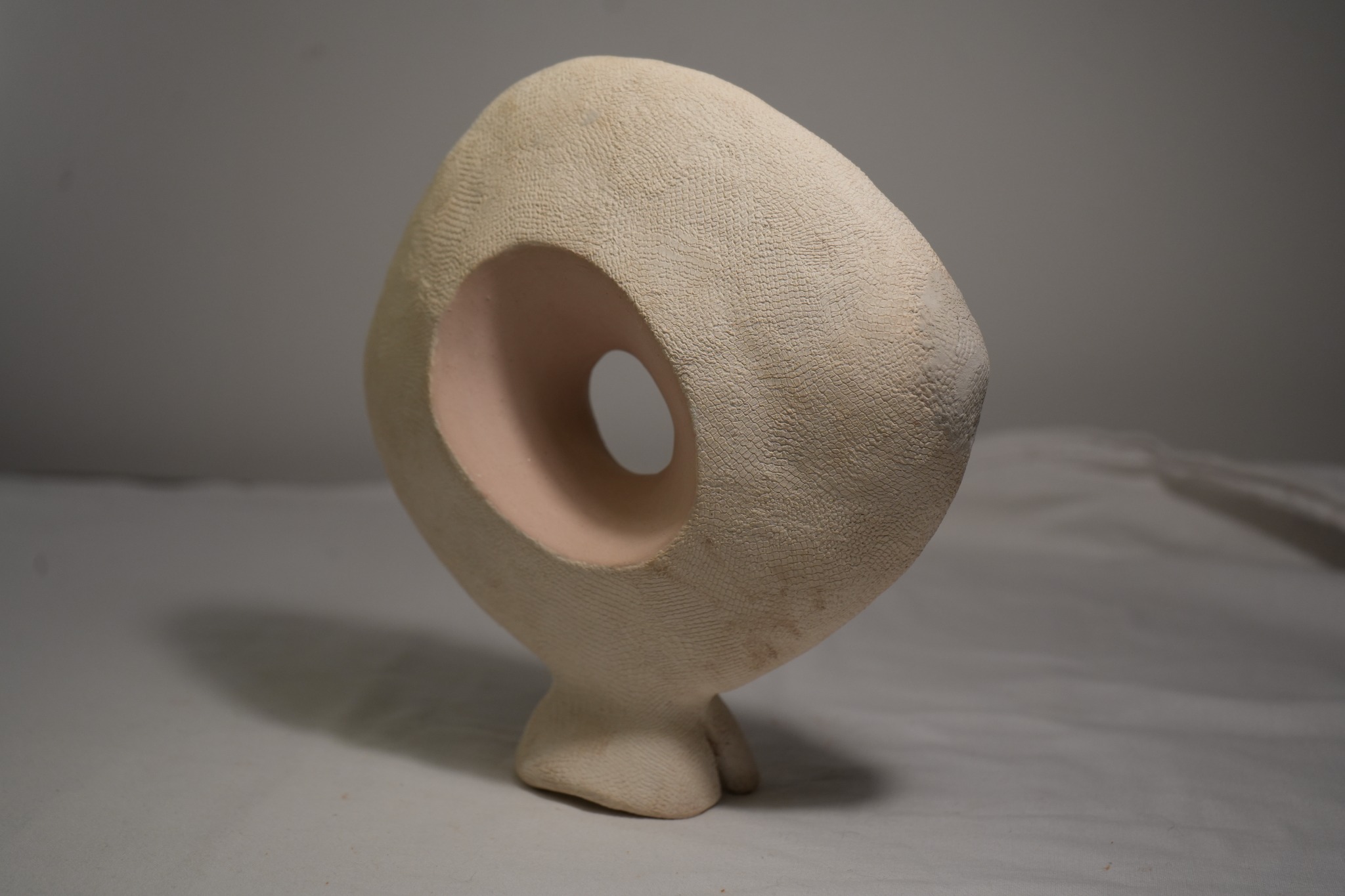
Pero Taranto no reconstruye el pasado ni intenta producir objetos arqueológicos. Es precisamente su capacidad de síntesis la que conduce esas resonancias ancestrales hacia una contemporaneidad radical. En sus manos, la forma se aproxima a una arquitectura espacial: curvas, cavidades y vacíos dejan de ser consecuencias del modelado para convertirse en elementos constitutivos de la obra. La materia construye el espacio, pero también el vacío participa de esa construcción.
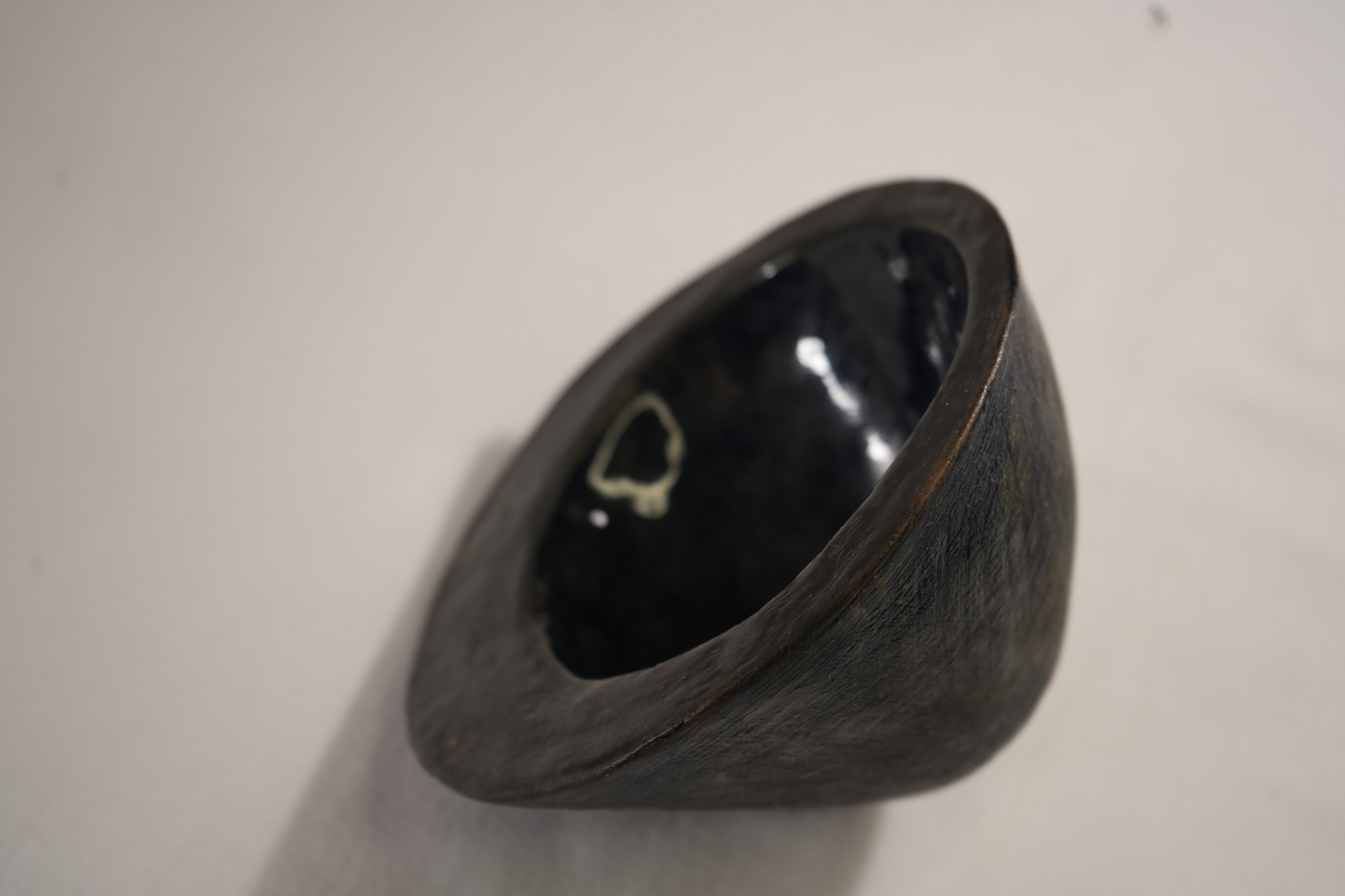
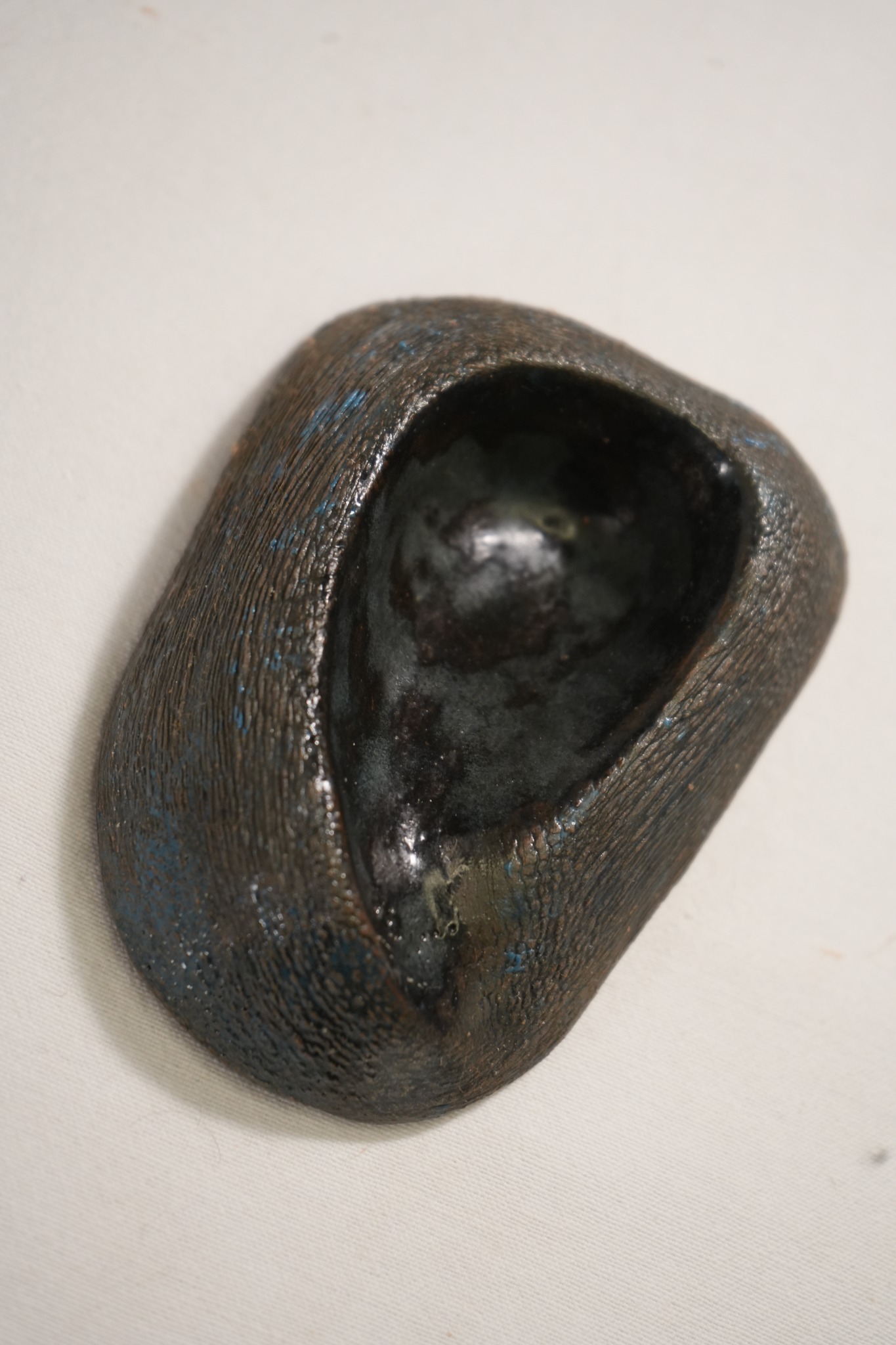
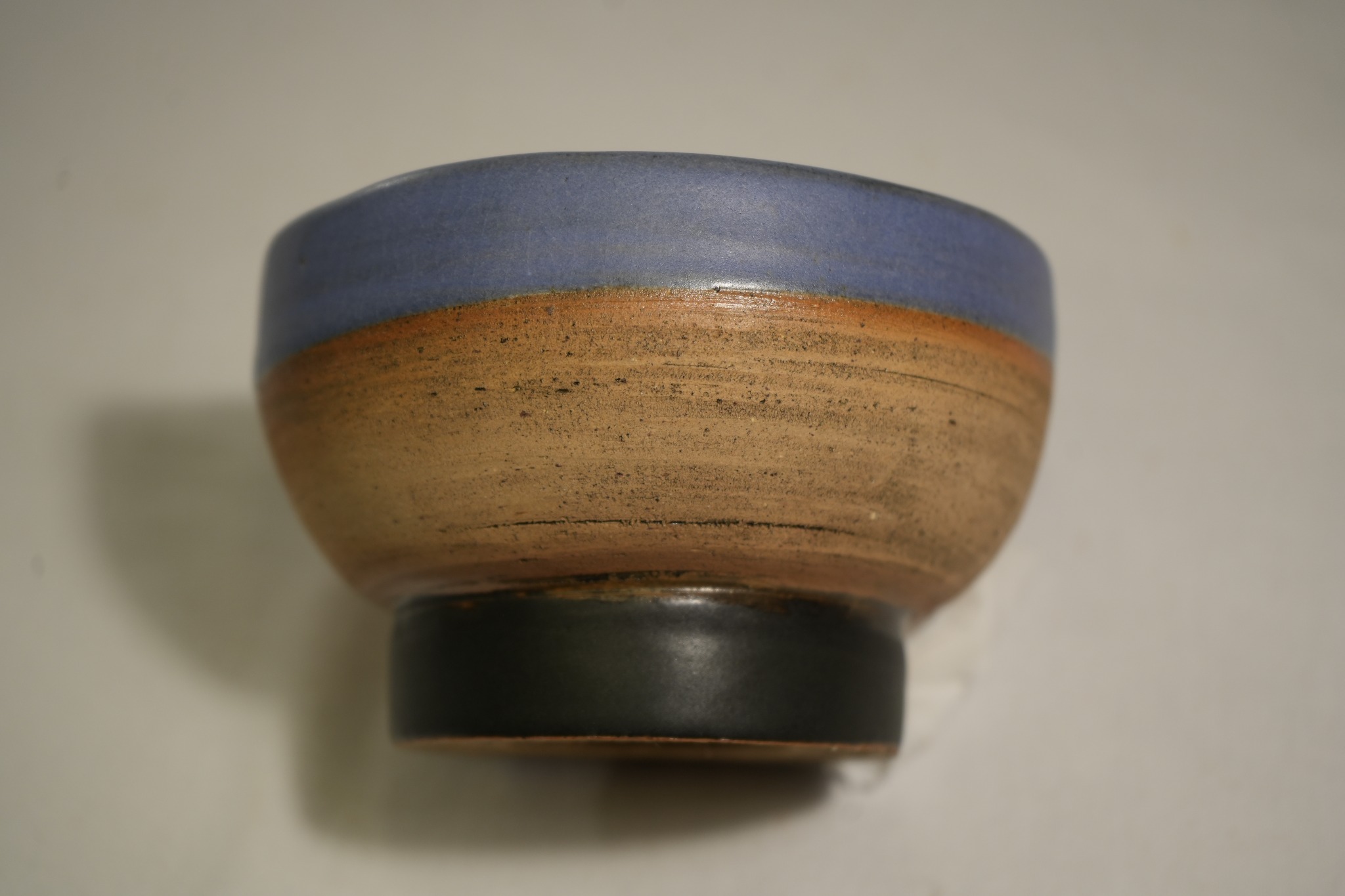
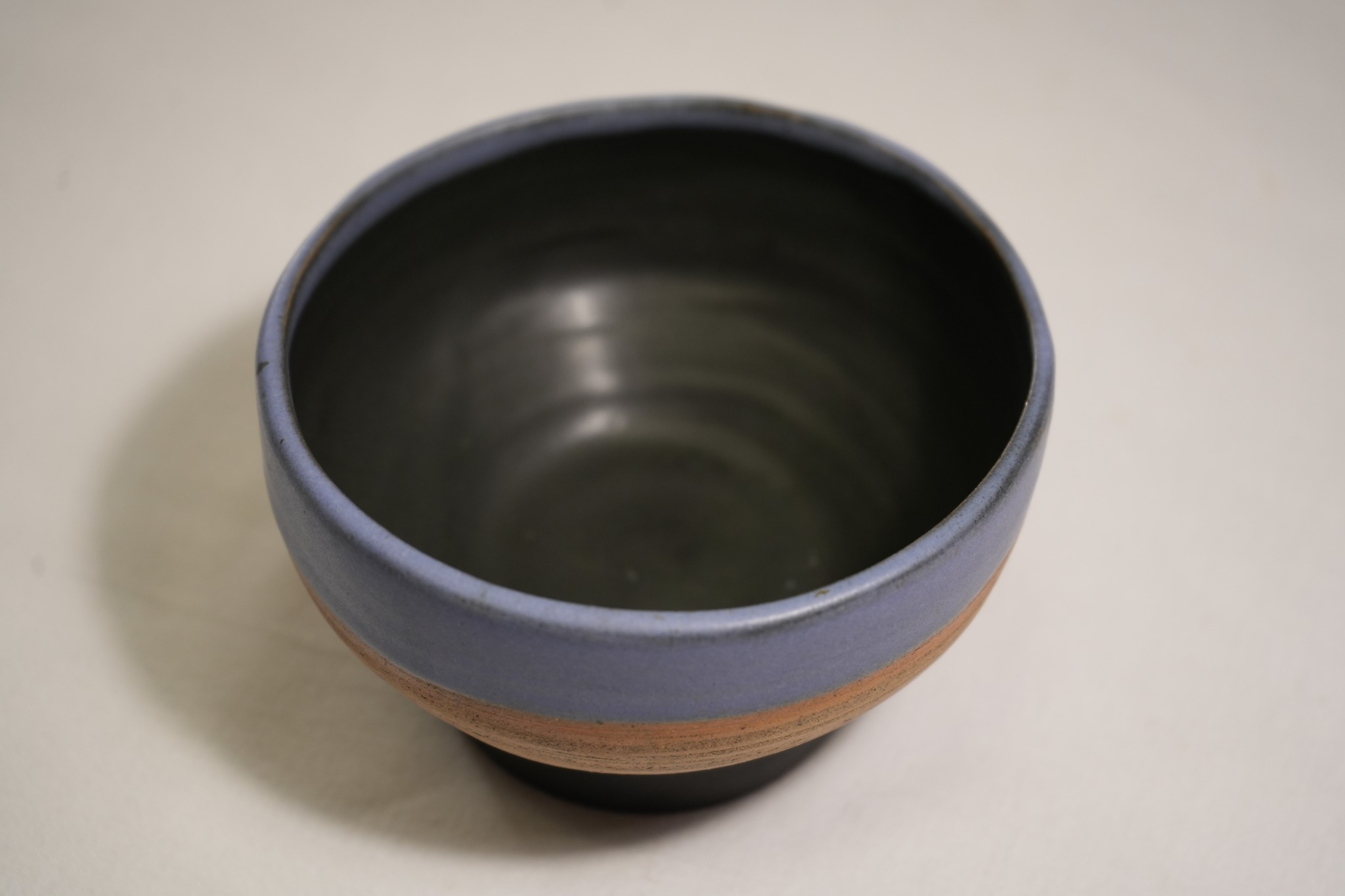
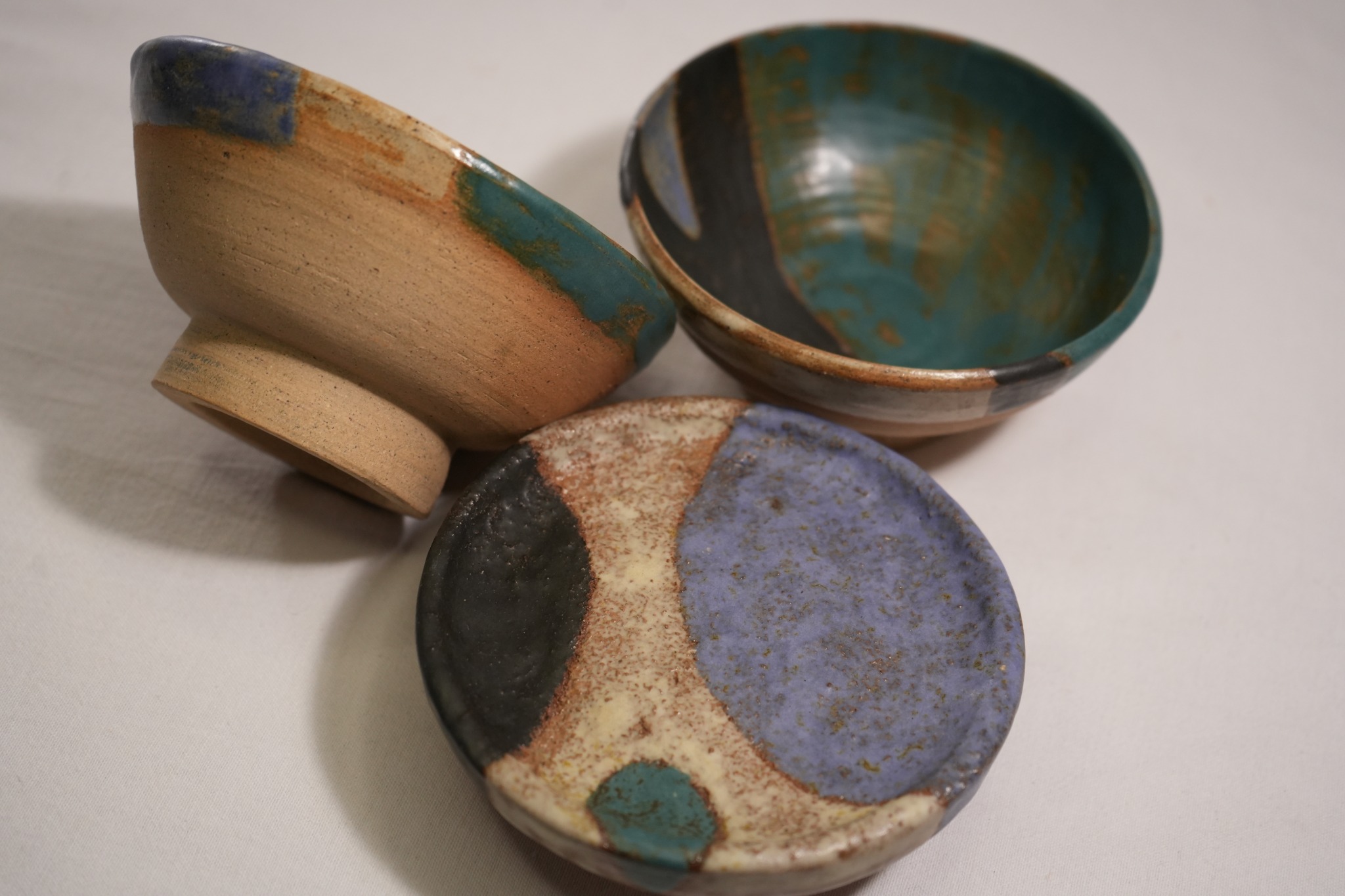
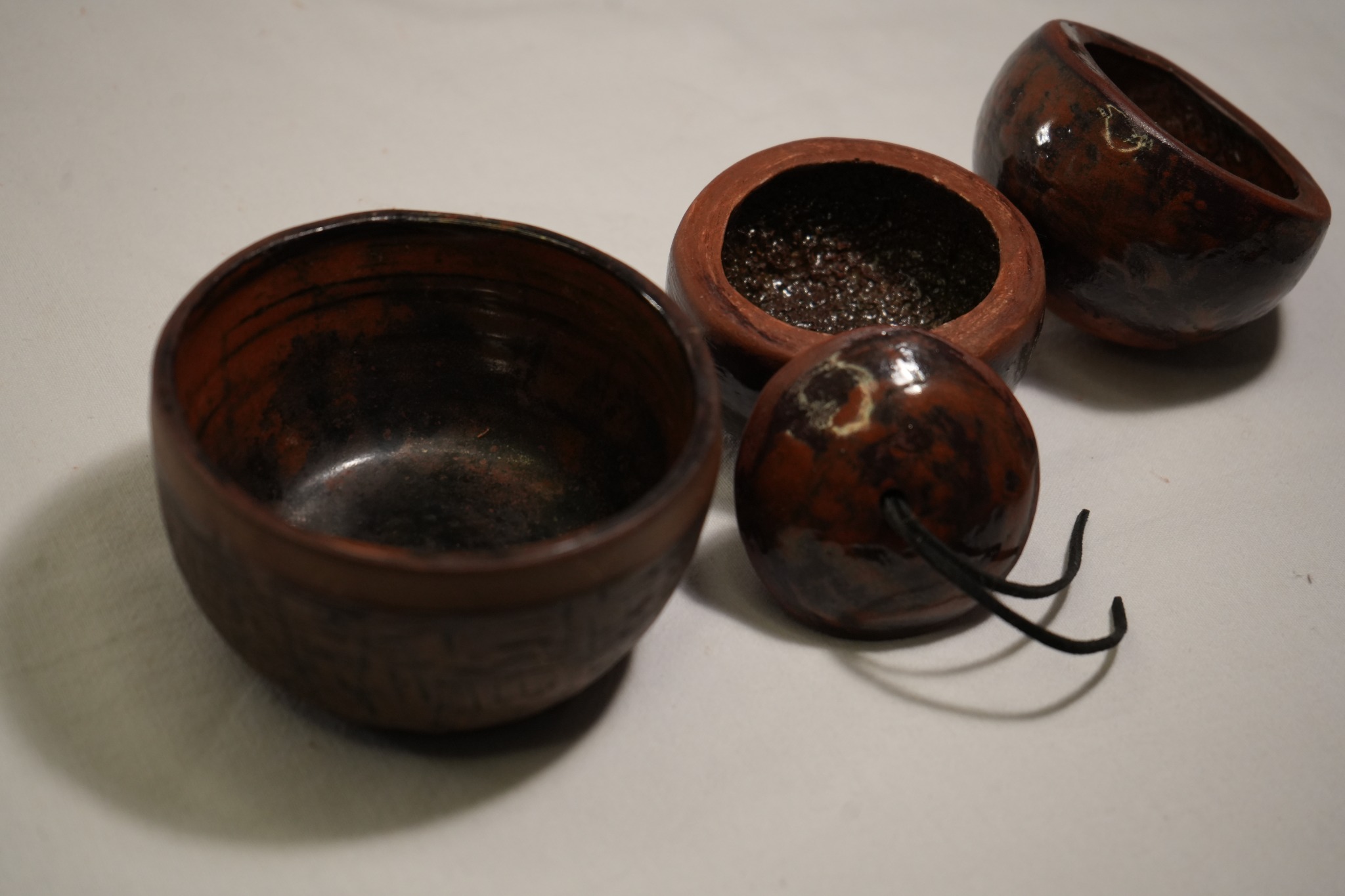
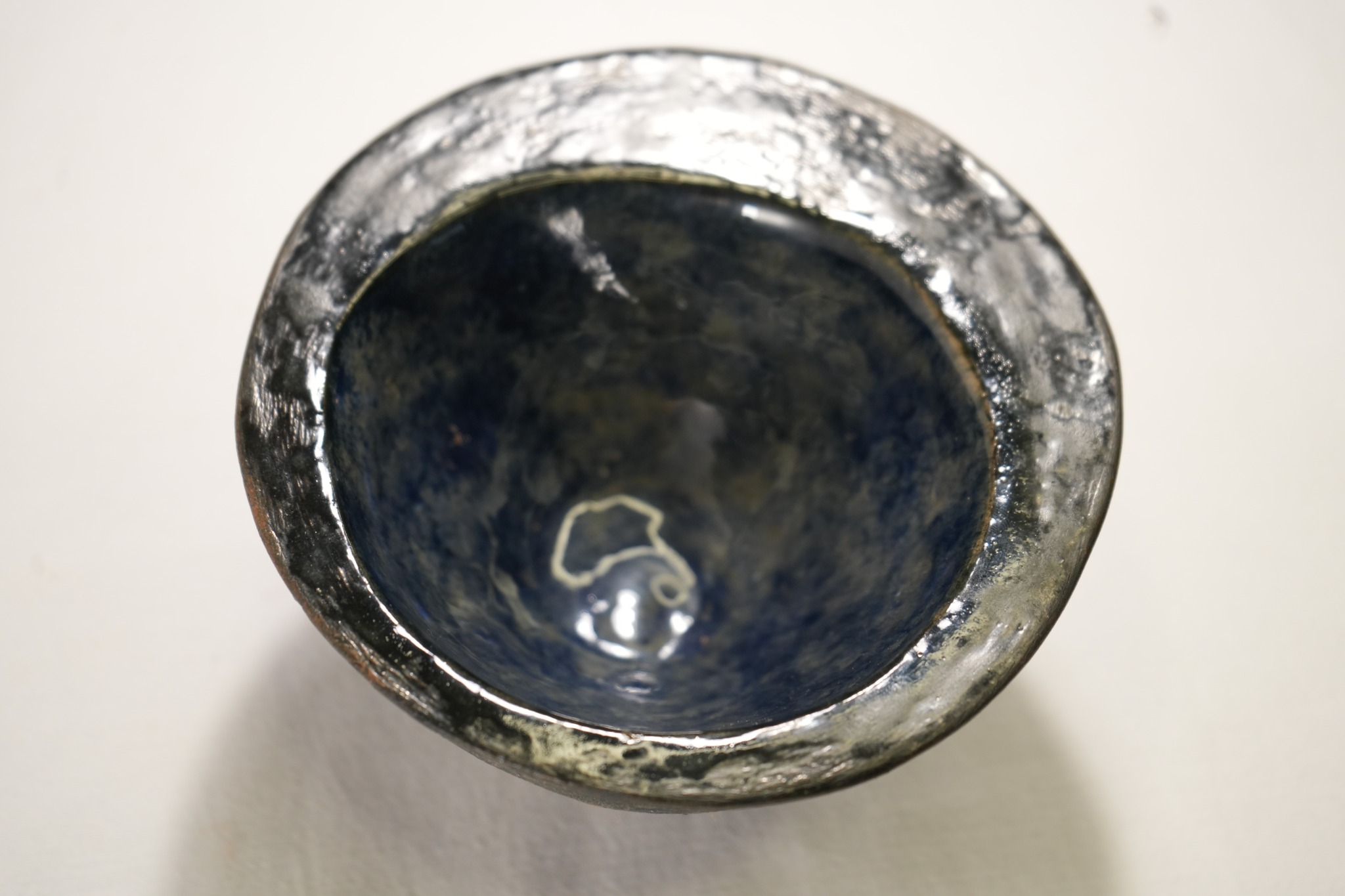
Esa radicalidad formal no supone necesariamente abandonar la función. Algunas piezas conservan una relación directa con el uso cotidiano: un cuenco puede contener el agua que se bebe; una taza, una infusión. Función y escultura dejan entonces de presentarse como categorías opuestas y pueden coexistir dentro de una misma forma.
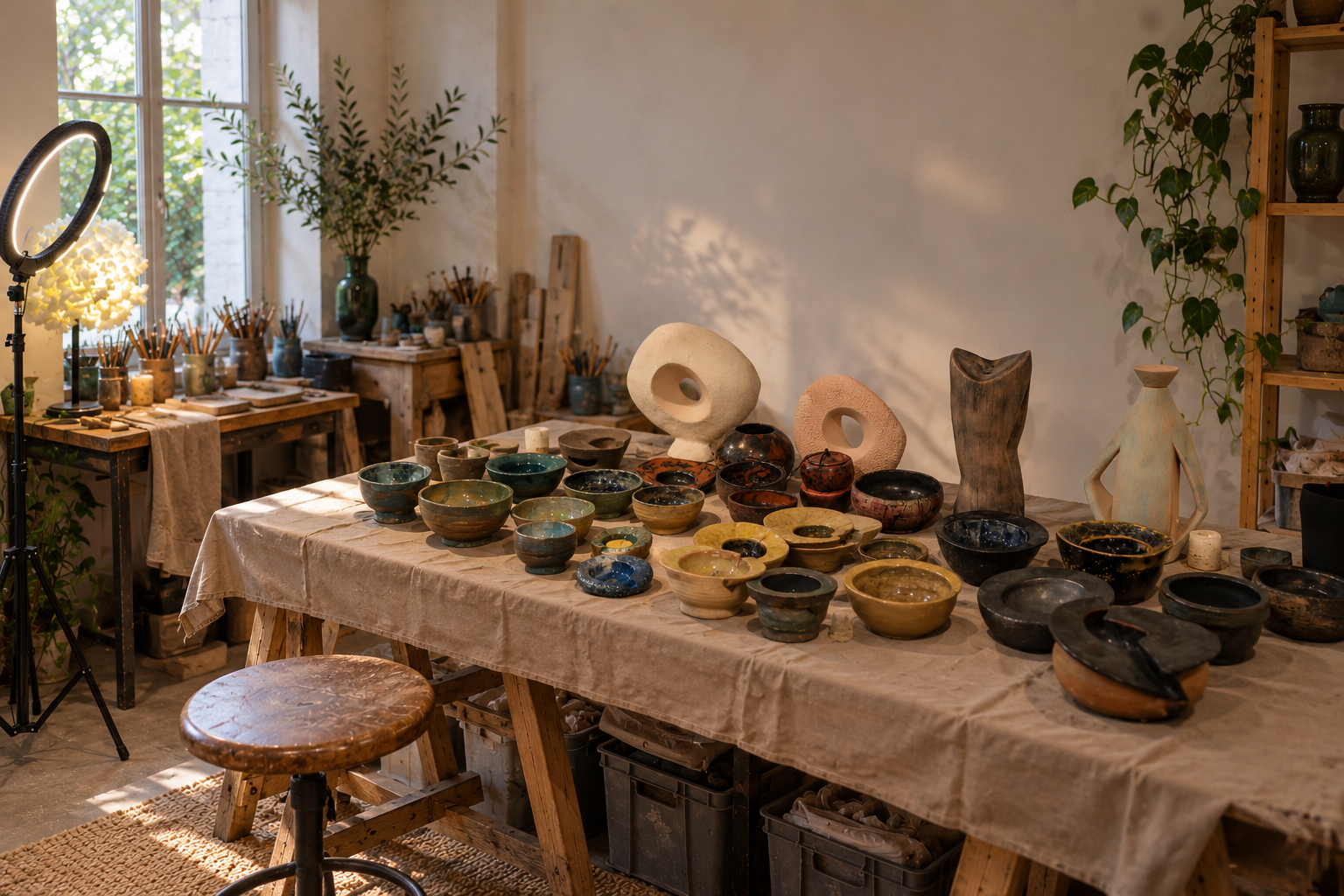
Actualmente, Ana Taranto trabaja en su propio taller, instalado en una amplia casona que funciona también como espacio de encuentro y de exposición. De alguna manera, algo de aquel misterioso taller de la infancia parece haber sobrevivido allí. La materia no es únicamente sometida a una idea previa: es observada, interrogada y acompañada en sus transformaciones. La intuición ocupa un lugar fundamental en ese proceso.
En ese espacio, rodeada ahora por sus propias obras, se completa también un extraño movimiento circular: aquella niña que observaba el fuego, las tierras y los colores en el taller de su tía ha construido, con los años, su propio territorio de experimentación.
Quizás por eso las piezas de Ana Taranto producen la sensación de contener un tiempo difícil de precisar. Son contemporáneas y, al mismo tiempo, parecen guardar la memoria de objetos que pudieron haber existido mucho antes que ellas.
Sus piezas no intentan reproducir el pasado: parecen recordarlo desde la materia.
The forms that emerge in Ana Taranto’s work, the materials from which they are made and, above all, the textures she deliberately leaves exposed do not arise from casual abstraction. Rather, they seem to belong to a long material and cultural genealogy encircling the Mediterranean: territories of extraordinary mineral and chromatic richness, shaped as well by a violent natural world—by fire, stone and transformation. Sicily, the land of her family’s origins, and the almost mythical presence of Mount Etna inevitably form part of this imaginary.
This relationship with matter began long before Taranto could recognize it as an artistic choice. From a very early age she was closely connected to the studio of her aunt Toni, a ceramics teacher at the Escuela Nacional de Cerámica and the Escuela Técnica Otto Krause in Buenos Aires.
In that studio on Las Heras Street, Toni gathered her nieces and nephews on weekends. It was a place difficult to classify: part laboratory, part realm of the imagination. Ceramics, pigments and objects coexisted with an enormous, almost industrial kiln, amid conversations, stories and an atmosphere of mystery. There Ana played, watched and learned without yet realizing that she was learning.
The studio was also a meeting place for figures from Buenos Aires’ artistic life—painters, draughtsmen and other artists—who experimented alongside Toni with the possibilities of ceramics. That world quietly built a memory that would reappear, transformed, many years later in Taranto’s work: a fascination with matter, the deliberately imperfect surface, the trace of process, and a distinctive relationship between volume, cavity and void.
Before fully returning to that childhood inclination, Ana Taranto completed three university degrees. Her later training in pottery, ceramics and sculpture at ESEA de Cerámica N.º 1 gave her the technical command of a discipline that she would nevertheless approach from a deeply personal position. From an early stage, her work resisted being contained within the more conventional languages of ceramics.
Something persists in her pieces that seems to precede their own making. Some forms evoke a Mediterranean memory of earth, kilns, minerals and layered cultures; others seem to reach even further back in time, towards the distant world of the Fertile Crescent, when matter, utility, ritual and representation could still inhabit the same object.
Yet Taranto does not reconstruct the past, nor does she attempt to produce archaeological objects. It is precisely her capacity for synthesis that carries these ancestral resonances into a radical contemporaneity. In her hands, form approaches a kind of spatial architecture: curves, cavities and voids cease to be consequences of modelling and become constitutive elements of the work. Matter constructs space, but emptiness, too, takes part in that construction.
This formal radicality does not necessarily entail abandoning function. Some pieces retain a direct relationship with everyday use: a bowl may hold water to be drunk; a cup, an infusion. Function and sculpture therefore cease to appear as opposing categories and can coexist within a single form.
Today, Ana Taranto works in her own studio, housed in a large old residence that also serves as a place for encounters and exhibitions. In some way, something of that mysterious childhood studio seems to have survived there. Matter is not merely subjected to a preconceived idea: it is observed, questioned and accompanied through its transformations. Intuition occupies a fundamental place in this process.
In that space, now surrounded by her own works, a curious circular movement is completed: the child who once observed fire, clay and colour in her aunt’s studio has, over the years, built a territory of experimentation of her own.
Perhaps this is why Ana Taranto’s pieces give the impression of containing a time that is difficult to define. They are contemporary and, at the same time, seem to preserve the memory of objects that might have existed long before them.
Her pieces do not attempt to reproduce the past: they seem to remember it through matter.